Understanding Cat Heart Problems and Dog Heart Problems Before It's Too Late
Heart disease in pets is something most owners never expect to face. After all, when your dog is still excited for walks or your cat is comfortably sleeping in their favorite spot, it's easy to assume everything is fine. The reality, however, is that many cat heart problems and dog heart problems develop quietly in the background, often without obvious signs until the condition has already progressed.
This is one of the main reasons why veterinary cardiology in Dubai has become an increasingly important field within veterinary medicine. With advanced diagnostics and specialist care now available across the UAE, pets can be diagnosed earlier, treated more effectively, and enjoy a significantly better quality of life.
A persistent cough, reduced stamina, rapid breathing, or even occasional weakness may seem minor at first. Many owners attribute these changes to aging, weather, or a temporary illness. Yet these symptoms can sometimes indicate an underlying heart condition that requires professional attention.
The good news is that modern veterinary cardiology has advanced tremendously over the last decade. Many heart diseases that once carried a poor prognosis can now be successfully managed for years with appropriate treatment and monitoring.
In this guide, we'll explore the most common heart conditions affecting dogs and cats, explain when to seek specialist care, and highlight some of the leading veterinary clinics offering cardiology services in the UAE.
What Is Veterinary Cardiology?
Veterinary cardiology is the branch of veterinary medicine focused on diagnosing and treating diseases of the heart and circulatory system.
Just like humans, pets can suffer from heart defects, valve disorders, abnormal heart rhythms, high blood pressure, and diseases affecting the heart muscle itself. Some conditions are present from birth, while others develop gradually with age.
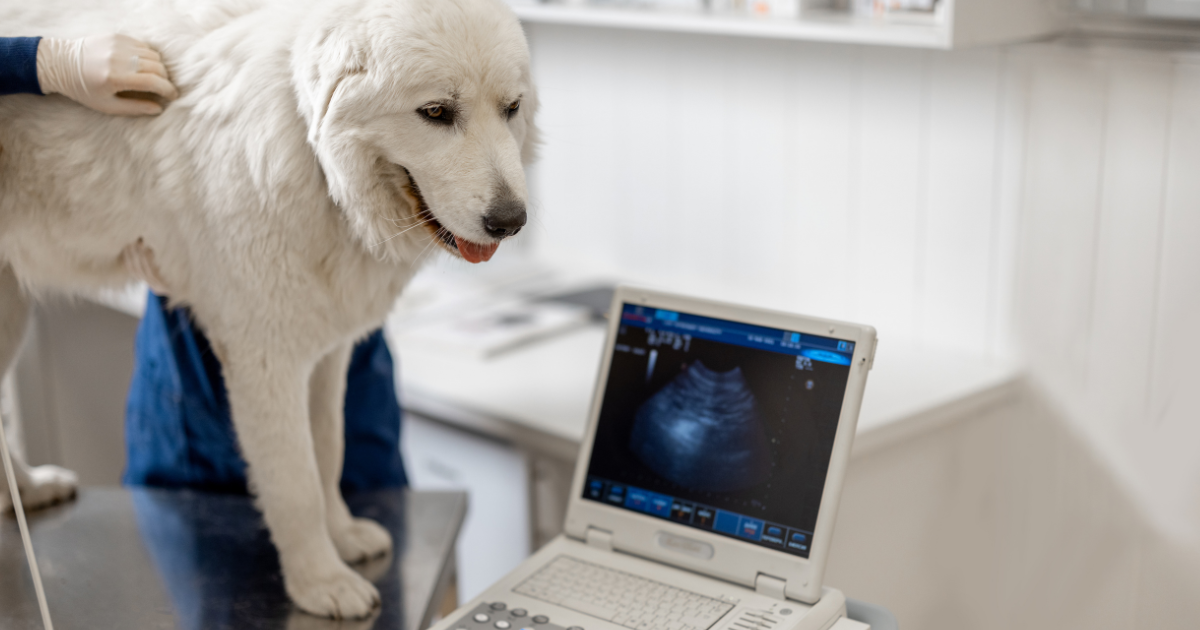
A veterinary cardiologist uses specialized diagnostic tools such as echocardiography (heart ultrasound), electrocardiography (ECG), chest radiography, and blood pressure monitoring to evaluate cardiac health and determine the most effective treatment plan.
As pet healthcare standards continue to rise, more owners are actively searching for trusted veterinary cardiology in Dubai to ensure their pets receive the highest level of care.

Why Heart Disease Often Goes Undetected
One of the biggest challenges with heart disease is that pets are incredibly skilled at hiding illness.
Dogs and cats rarely show obvious discomfort during the early stages of disease. In many cases, the first signs are so subtle that owners don't immediately associate them with the heart.
Perhaps your dog becomes slightly slower during walks. Maybe your cat seems less interested in climbing to higher places around the house. Sometimes the only change is sleeping a little more than usual.
Because these signs develop gradually, they are often mistaken for normal aging.
Unfortunately, many heart conditions progress silently for months or even years before producing serious symptoms. This is why routine veterinary examinations remain one of the most effective tools for early detection.
When Should You Worry About Your Pet's Heart?
Your pet cannot tell you when something feels wrong, but their body often provides important clues.
Pay close attention if you notice:
- Persistent coughing, especially at night
- Fast or difficult breathing
- Reduced stamina during exercise
- Sudden weakness or fainting
- A swollen or bloated abdomen
- Pale or bluish gums
These symptoms do not automatically mean your pet has heart disease, but they should never be ignored. A thorough examination can help determine whether the heart is involved and whether further diagnostic testing is needed.
Common Dog Heart Problems
When discussing dog heart problems, one of the most frequently diagnosed conditions is valve disease.
The heart contains valves that ensure blood flows in the correct direction. Over time, particularly in small and senior dogs, these valves may begin to deteriorate. As they weaken, blood starts leaking backward, forcing the heart to work harder than normal.
This process can eventually lead to enlargement of the heart and congestive heart failure.
Another significant condition is Dilated Cardiomyopathy (DCM). This disease primarily affects larger breeds and occurs when the heart muscle becomes weak and stretched. The heart chambers enlarge, reducing the organ's ability to pump blood efficiently throughout the body.
Certain breeds, including Doberman Pinschers, Great Danes, and Irish Wolfhounds, are known to have a higher risk of developing DCM.
Cardiac arrhythmias are also relatively common in dogs. These abnormalities affect the heart's rhythm and can range from mild irregularities to serious conditions capable of causing collapse or sudden death.
Fortunately, with modern diagnostics and ongoing monitoring, many dogs with heart disease continue living active and comfortable lives.
Common Cat Heart Problems
When it comes to cat heart problems, the most frequently diagnosed condition is Hypertrophic Cardiomyopathy (HCM).
This disease causes the muscular walls of the heart to become abnormally thick. As the walls thicken, the heart has less room to fill with blood between contractions, reducing its overall efficiency.
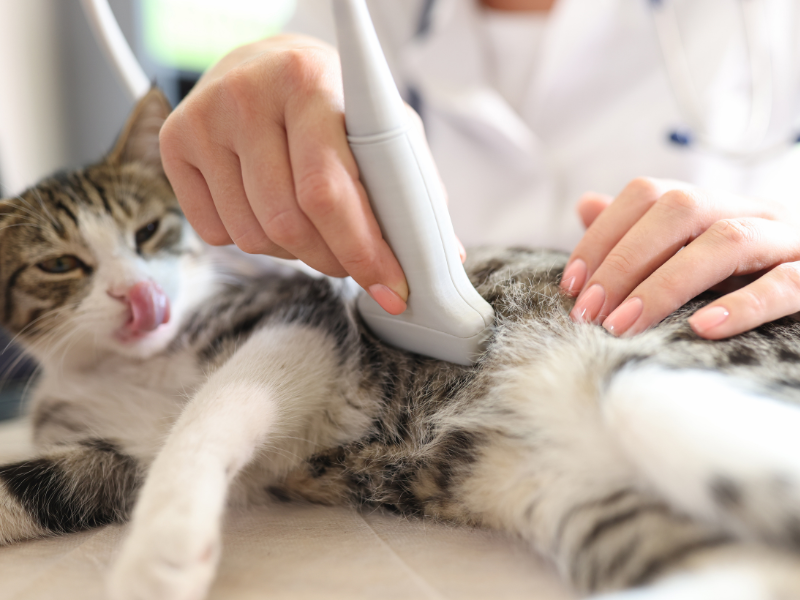
One of the reasons HCM is so concerning is that affected cats often appear perfectly healthy. Many owners discover the disease during a routine health check when a veterinarian detects a heart murmur or notices abnormalities during an ultrasound examination.
Certain breeds, including Maine Coons, Ragdolls, British Shorthairs, and Persians, appear to have a greater genetic predisposition.
Unlike dogs, cats with heart disease do not always develop a cough. Instead, owners may notice subtle signs such as reduced activity, rapid breathing, decreased appetite, or unexplained weight loss.
In some severe cases, HCM can lead to blood clot formation, causing sudden paralysis of the hind limbs. This medical emergency requires immediate veterinary attention.
Heart Murmurs: The Warning Sign Owners Should Never Ignore
A heart murmur is often the first indication that something may be wrong.
Veterinarians hear murmurs as unusual sounds during cardiac auscultation. These sounds occur when blood flow through the heart becomes turbulent.
Not every murmur indicates serious disease. Some are innocent and never cause problems. Others may be associated with significant cardiac conditions that require further investigation.
Whenever a heart murmur is detected, additional diagnostics are usually recommended to determine the underlying cause and severity.
For many pets, identifying a murmur early can lead to diagnosis before clinical symptoms appear.
Other Heart Diseases Seen in Veterinary Cardiology
Veterinary cardiologists manage a wide variety of conditions beyond valve disease and cardiomyopathy.
Some of the most commonly diagnosed include Patent Ductus Arteriosus (PDA), a congenital defect present from birth that affects normal blood circulation. Without treatment, PDA can eventually lead to heart failure.
Pericardial Effusion occurs when fluid accumulates around the heart, preventing it from functioning normally. This condition may develop suddenly and often requires emergency intervention.
Pulmonary Hypertension refers to elevated blood pressure within the lungs and is frequently associated with chronic respiratory disease or advanced heart conditions.
Veterinary cardiologists also investigate Secondary Heart Disease, where problems affecting other organs such as the kidneys or thyroid gland place additional stress on the cardiovascular system.
Finally, various Congenital Heart Defects may be present from birth and require specialist evaluation to determine whether intervention is necessary.
These conditions highlight the importance of advanced diagnostics and specialist expertise when investigating suspected cardiac disease.
How Heart Disease Is Diagnosed
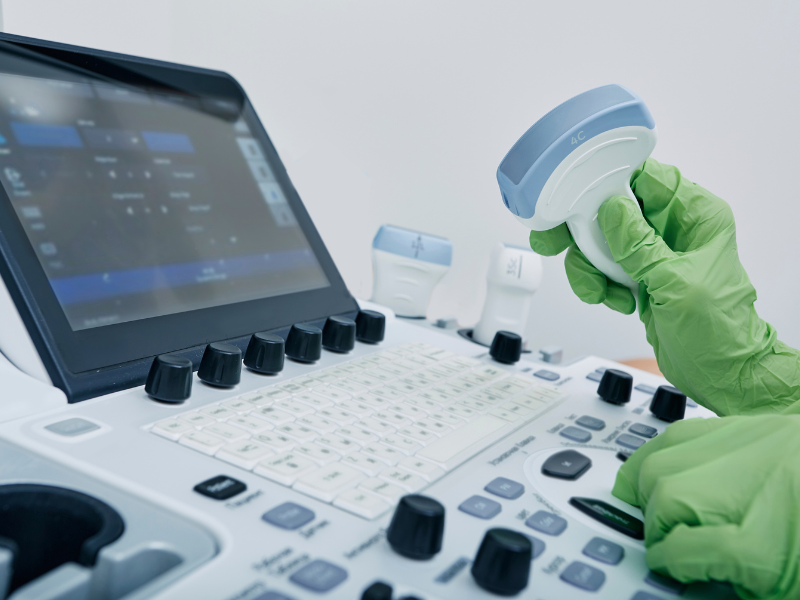
Modern veterinary cardiology relies on sophisticated technology that allows veterinarians to see exactly how the heart is functioning.
The most important diagnostic tool is often the echocardiogram, an ultrasound examination that provides a real-time view of the heart's structure and blood flow.
This test allows veterinarians to assess valve function, measure heart chamber size, identify congenital abnormalities, and evaluate overall cardiac performance.
Additional tests may include ECG monitoring, chest radiographs, blood pressure measurements, and laboratory testing.
Together, these tools provide a complete picture of the pet's cardiovascular health and help guide treatment decisions.
Can Heart Disease Be Treated?
One of the most common questions owners ask is whether heart disease can be cured.
The answer depends entirely on the specific diagnosis.
Certain congenital defects can sometimes be corrected or significantly improved through intervention. Many chronic heart diseases cannot be cured completely but can be successfully managed.
Treatment often focuses on reducing symptoms, slowing disease progression, supporting heart function, and improving quality of life.
With modern medications and regular monitoring, many pets diagnosed with heart disease continue enjoying years of comfortable living.
Perhaps most importantly, early diagnosis almost always improves treatment options and long-term outcomes.

The Best Veterinary Cardiology Clinics in the UAE
Pet owners looking for expert veterinary cardiology in Dubai and the UAE have access to several excellent facilities.
CardioVet is one of the region's most recognized names in veterinary cardiology, focusing specifically on advanced cardiac diagnostics and specialist heart care.
The Pet Vet has developed a strong reputation as a referral center offering advanced diagnostics and specialist services, including cardiology consultations.
Vets and Pets Veterinary Clinic provides comprehensive medical care and advanced diagnostic support for pets with suspected cardiac disease.
The Veterinary Hospital offers multidisciplinary veterinary services and access to advanced imaging technologies used in cardiac investigations.
Modern Vet is another respected veterinary provider in the UAE, offering comprehensive diagnostic capabilities and specialist referrals for complex heart conditions.
Each clinic plays an important role in supporting pets with cardiac disease and helping owners navigate what can often feel like an overwhelming diagnosis.

Why Early Detection Saves Lives
The most important message for pet owners is simple: heart disease is not always a crisis, but delayed diagnosis can become one.
Many of the most common dog heart problems and cat heart problems begin long before obvious symptoms appear. Routine health examinations, prompt investigation of unusual signs, and access to experienced veterinary professionals can make a tremendous difference.
Whether the diagnosis involves heart murmurs, Patent Ductus Arteriosus (PDA), Dilated Cardiomyopathy (DCM), Hypertrophic Cardiomyopathy in Cats, Valve Disease, Pericardial Effusion, Pulmonary Hypertension, Cardiac Arrhythmias, Secondary Heart Disease, or Congenital Heart Defects, early intervention provides the best opportunity for successful management.
The field of veterinary cardiology in Dubai continues to evolve rapidly, giving pet owners access to world-class diagnostics and treatment options. With the right care team and ongoing monitoring, many pets with heart disease can continue living happy, active, and fulfilling lives for years to come.