

A Complete Blood Count (CBC) is one of the most common veterinary blood tests used to evaluate your pet’s overall health. It helps veterinarians detect infections, anemia, inflammation, immune system abnormalities, dehydration, and certain blood disorders in both dogs and cats.
If your vet has recommended a CBC blood test for your dog or cat, you may have found yourself staring at a printout full of abbreviations and numbers, wondering what any of it actually means.
RBC. WBC. Platelets. Hematocrit.
It can look more like a chemistry exam than something related to your pet.
And naturally, most pet owners immediately focus on one question:
“Is something wrong?”
The truth is, a CBC is one of the most useful diagnostic tools in veterinary medicine, but it only makes sense when interpreted in context.
A single slightly abnormal number does not automatically mean disease.
At the same time, a CBC can sometimes reveal important health problems before your dog or cat even appears visibly sick.
In this guide from PetsGuide.ae, we’ll break down what a Complete Blood Count actually measures, what veterinarians are looking for, and how these results help diagnose illness in pets across Dubai and the UAE.
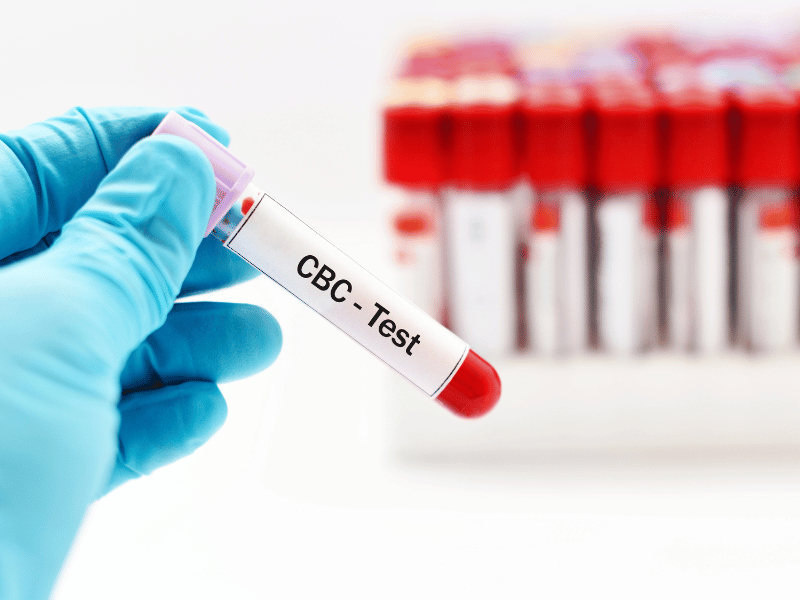
What Is a CBC in Veterinary Medicine?
A Complete Blood Count, commonly called a CBC, is a laboratory blood test that evaluates the different types of cells circulating in your pet’s bloodstream.
Unlike a biochemistry profile, which looks at organ function like the liver or kidneys, a CBC focuses specifically on the blood itself.
That means it helps your veterinarian understand what is happening with your pet’s oxygen-carrying capacity, immune response, inflammation levels, and clotting ability.
Because blood travels throughout the entire body, changes here can provide some of the earliest clues that something is wrong.
This is why CBC testing is commonly recommended when pets are unwell, before surgery, during annual health checks, or as part of chronic disease monitoring.
Why Would Your Vet Recommend a CBC?
Sometimes the reason is obvious.
If your dog has been vomiting, your cat seems lethargic, or your pet has developed a fever, bloodwork makes sense.
But many owners are surprised when a CBC is recommended for pets that seem perfectly fine.
That’s because illness doesn’t always announce itself dramatically.
Cats are especially good at hiding disease. Dogs can often remain cheerful despite significant health issues.
A CBC helps uncover hidden abnormalities that may not yet be visible at home.
For example, a pet that simply seems “a little tired” may actually be anemic.
A pet with no obvious symptoms may have an underlying infection.
A CBC helps your veterinarian stop guessing and start working with real information.
The Three Main Things a CBC Looks At
Although CBC reports can look complicated, they mainly focus on three major categories: red blood cells, white blood cells, and platelets.
Once you understand these, the test becomes much easier to make sense of.
Red Blood Cells: Oxygen Delivery and Anemia
Red blood cells are responsible for carrying oxygen around the body.
Think of them as your pet’s oxygen delivery system.
If there are too few red blood cells, tissues receive less oxygen, which can make your pet feel weak, tired, or generally unwell.
This condition is called anemia.
Pets with anemia may show symptoms such as lethargy, pale gums, faster breathing, weakness, or reduced appetite.
But in some cases, especially mild anemia, owners notice nothing at all.
Your CBC measures several red blood cell values, including:
- RBC count
- Hemoglobin
- Hematocrit (PCV)
These help your vet understand whether your pet has enough healthy red blood cells circulating.
Low values may suggest blood loss, immune disease, chronic illness, parasites, or even bone marrow problems.
High values, on the other hand, are often linked to dehydration because the blood becomes more concentrated.
White Blood Cells: Infection, Inflammation, and Immune Activity
White blood cells are your pet’s defense team.
Their job is to identify and fight infections, respond to inflammation, and protect the body from harmful invaders.
When your vet looks at white blood cell numbers, they are asking:
Is the body fighting something?
If white blood cells are elevated, it may suggest infection, inflammation, stress, immune stimulation, or in some cases more serious disease.
If they are unusually low, that can indicate viral illness, immune suppression, severe infection, or bone marrow problems.
The CBC also breaks white blood cells into subcategories.
Neutrophils often increase with bacterial infections.
Lymphocytes can shift with immune responses or certain viral conditions.
Eosinophils may increase with allergies or parasites.
This is where interpretation becomes important, because patterns matter more than isolated numbers.
A mild increase alone may mean very little.
A specific combination of changes can tell a much clearer story.
Platelets: Clotting and Bleeding Risk
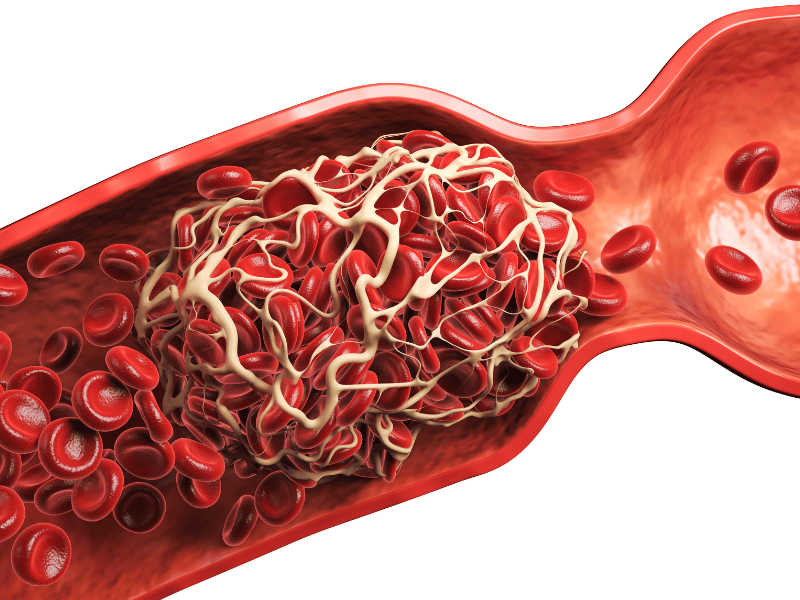
Platelets are the cells responsible for helping blood clot properly.
Without enough platelets, a pet may be at risk of abnormal bleeding.
This is particularly important before surgery, after trauma, or when unexplained bruising is present.
Low platelet counts may happen with immune-mediated disease, infections, tick-borne illness, clotting disorders, or certain medication effects.
Cats can make platelet interpretation slightly tricky because their platelets often clump during sample collection, which can falsely lower the reported number.
This is one of many reasons why lab values should always be interpreted by a veterinarian rather than judged at face value.
What CBC Results Can Help Diagnose
A CBC doesn’t provide all the answers, but it often provides important clues.
It can help point toward conditions such as anemia, bacterial infections, chronic inflammation, parasite-related disease, immune disorders, bleeding disorders, and certain cancers.
It can also help monitor pets already undergoing treatment.
For example, if your dog is receiving medication for infection, repeat CBC testing may show whether white blood cell levels are returning to normal.
If your cat has chronic illness, a CBC can help track how the condition is affecting the blood over time.
Does an Abnormal CBC Mean Something Serious?
This is usually the first thing owners worry about.
The honest answer?
Not necessarily.
Lab results are rarely interpreted in isolation.
A stressed cat may show temporary changes.
A dehydrated dog may have artificially concentrated blood values.
Mild abnormalities sometimes reflect temporary conditions rather than major disease.
Veterinarians look at the whole picture.
That includes symptoms, physical examination findings, medical history, hydration status, and often other diagnostics such as biochemistry testing, urinalysis, or imaging.
A CBC is an incredibly useful tool—but it’s still only one piece of the puzzle.

CBC Testing Before Surgery
One of the most common reasons healthy-looking pets get CBC testing is before anesthesia.
And yes, it’s important.
Because not every health issue is visible from the outside.
Your pet may appear completely normal but still have anemia, hidden infection, or clotting abnormalities that could affect anesthesia safety.
Pre-surgical bloodwork helps your veterinary team identify risks early and plan accordingly.
This is especially valuable for senior pets, brachycephalic breeds, or pets with existing health concerns.
Are CBC Values Different in Dogs and Cats?
Yes, slightly.
Dogs and cats have different normal laboratory ranges.
Cats are also biologically a bit more dramatic when stressed—particularly when it comes to certain blood parameters.
This means the exact same number may be completely normal in one species and abnormal in another.
Breed, age, and even excitement can influence interpretation too.
That’s why comparing your pet’s values to online charts without context often causes unnecessary panic.

Does a CBC Hurt?
Thankfully, no major drama here.
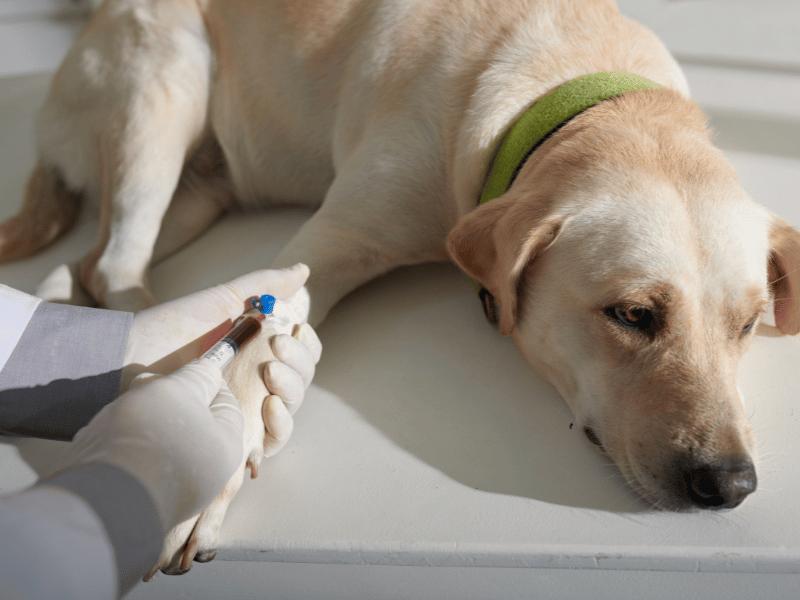
A CBC only requires a small blood sample, usually taken from a vein in the leg or neck.
Most pets tolerate it very well.
For nervous cats, choosing a calm, cat-friendly clinic makes a big difference.
Many veterinary clinics listed on PetsGuide.ae offer gentle handling and diagnostic services designed to reduce stress during blood collection.
Final Thoughts
A CBC may look like a confusing collection of abbreviations, but for veterinarians, it tells an important story.
It helps us understand whether your pet is fighting infection, developing anemia, responding to inflammation, or facing hidden health issues.
Sometimes the results are completely reassuring.
Sometimes they are the first sign that something needs attention.
Either way, it’s one of the most valuable diagnostic tools we have.
And when it comes to pets—especially cats—earlier answers almost always mean better outcomes.