

Veterinary laboratory testing helps detect illness in pets before visible symptoms appear. Blood tests, urine analysis, fecal testing, hormone screening, and infection testing allow veterinarians to diagnose conditions such as kidney disease, infections, diabetes, parasites, and organ dysfunction early—often improving treatment success and long-term outcomes.
Pets cannot tell us when something feels wrong.
Unlike humans, dogs and cats often hide pain and illness until the condition becomes advanced. By the time symptoms become obvious, a disease may already be affecting major organs or causing serious complications.
This is where veterinary laboratory testing becomes one of the most valuable tools in modern pet medicine.
From routine wellness bloodwork to emergency diagnostics, lab testing helps veterinarians understand what is happening inside your pet’s body quickly and accurately.
In this guide from PetsGuide.ae, we explain how veterinary laboratory testing works, what common tests are used, and why early diagnostics can make a life-saving difference for pets in Dubai and across the UAE.
Why Laboratory Testing Matters in Veterinary Medicine
Veterinary medicine relies heavily on diagnostics because pets cannot describe symptoms.
A dog may seem slightly tired. A cat may simply hide more than usual. These subtle signs can mean many things—from mild discomfort to serious disease.
Laboratory testing provides objective medical information that allows veterinarians to detect problems that are otherwise invisible.
These tests help identify:
- infections
- kidney disease
- liver disease
- diabetes
- anemia
- hormonal imbalances
- urinary tract problems
- parasites
- inflammatory conditions
The earlier these issues are detected, the easier they are often to treat.
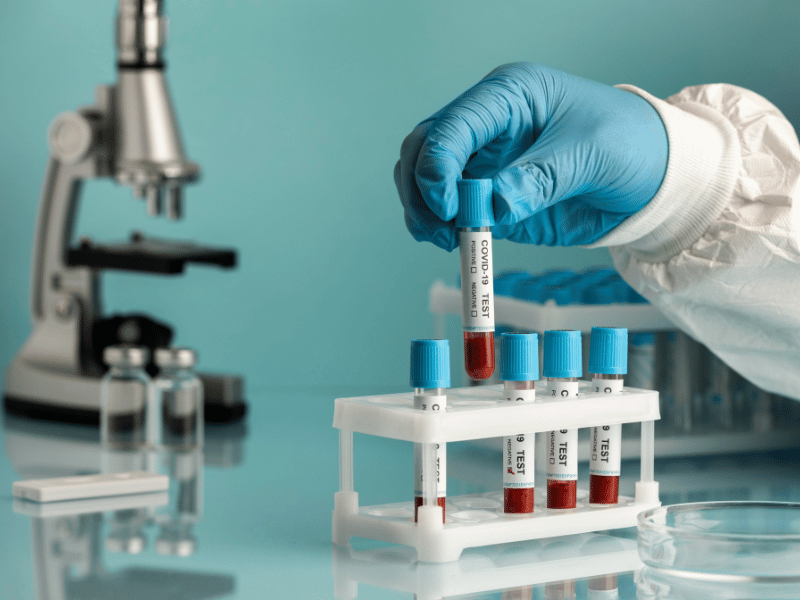
What Types of Veterinary Laboratory Tests Are Common?
Veterinary clinics use several different diagnostic tests depending on the symptoms, age, and medical history of the pet.
Complete Blood Count (CBC)
A Complete Blood Count, often called CBC, is one of the most common veterinary blood tests.
It evaluates:
- red blood cells
- white blood cells
- platelets
This helps detect:
- anemia
- infections
- inflammation
- blood disorders
- immune system abnormalities
For example, if your dog seems weak or your cat has unexplained lethargy, a CBC can quickly reveal whether infection or anemia may be involved.
Biochemistry Panels
Biochemistry testing evaluates organ function and metabolic health.
This is one of the most important diagnostic tools in veterinary medicine because it provides insight into internal organs such as:
- kidneys
- liver
- pancreas
- electrolyte balance
- glucose metabolism
These tests help diagnose conditions like:
- kidney failure
- liver disease
- pancreatitis
- diabetes
- dehydration
- electrolyte imbalances
Senior pets in particular benefit enormously from routine biochemistry screening.
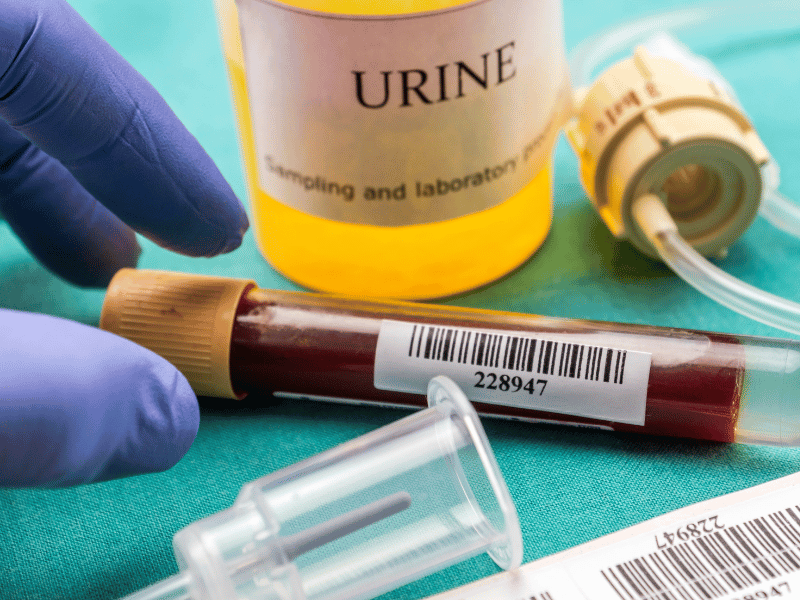
Urinalysis
Urine testing provides critical information about kidney health and urinary function.
A urinalysis can detect:
- urinary tract infections
- bladder inflammation
- crystals
- diabetes
- kidney disease
- hydration status
For cats, this is especially important because urinary blockages can become life-threatening very quickly.
If your pet is straining to urinate or drinking excessively, urinalysis is often one of the first recommended tests.
Fecal Testing
Many gastrointestinal problems in pets are linked to parasites or intestinal infections.
Fecal testing helps identify:
- worms
- protozoa
- parasite eggs
- bacterial imbalances
This is particularly important for:
- puppies
- kittens
- pets with diarrhea
- pets with unexplained weight loss
Routine parasite screening is a key part of preventive veterinary care in the UAE.
Bacterial Culture and Sensitivity Testing
When an infection is suspected, simply prescribing antibiotics is not always the best approach.
Culture and sensitivity testing identifies:
- which bacteria are causing the infection
- which antibiotics will actually work
This helps avoid ineffective treatment and supports responsible antibiotic use.
These tests are often used for:
- skin infections
- ear infections
- urinary infections
- wound infections

Hormone and Endocrine Testing
Hormonal disorders in pets are surprisingly common but often difficult to identify without testing.
Examples include:
- hypothyroidism in dogs
- hyperthyroidism in cats
- Cushing’s disease
- Addison’s disease
Symptoms may be vague:
- weight changes
- excessive thirst
- hair loss
- behavior changes
- lethargy
Lab testing helps confirm diagnosis and guide treatment.
Heartworm and Vector-Borne Disease Testing
Although some diseases may remain hidden for months, early testing can detect dangerous infections before symptoms become severe.
These tests screen for:
- heartworm disease
- tick-borne illnesses
- blood parasite infections
This is especially important for pets that travel internationally or spend time outdoors.
Why In-House Laboratory Testing Matters
Some veterinary clinics perform diagnostics in-house, while others send samples to external laboratories.
In-house testing offers major advantages.

Faster Results
Emergency cases often cannot wait.
If a pet is critically ill, waiting 24–48 hours for lab results may delay treatment.
In-house testing can often deliver results within hours—or even minutes.
Faster Medical Decisions
Immediate results allow veterinarians to:
- confirm diagnosis faster
- adjust medications immediately
- stabilize emergencies quicker
This is especially important for:
- poisoning
- kidney failure
- diabetes crises
- urinary blockages
- severe infections
Less Stress for Owners
Waiting for test results is stressful.
Rapid diagnostics provide reassurance and clearer treatment plans sooner.
Preventive Laboratory Testing by Life Stage
Lab testing is not only for sick pets.
Preventive diagnostics are one of the best ways to protect long-term health.
Puppies and Kittens
Early screening helps detect:
- congenital disease
- parasites
- infections
- developmental concerns
This creates a healthier foundation.
Adult Pets
Routine wellness testing helps monitor:
- organ function
- metabolic health
- hidden chronic disease
This is particularly useful before anesthesia, dental procedures, or surgery.
Senior Pets
Senior pets benefit the most from regular lab screening.
Aging pets are at higher risk for:
- kidney disease
- diabetes
- liver dysfunction
- thyroid disease
- chronic inflammation
Detecting these early often improves both lifespan and quality of life.

Signs Your Pet May Need Lab Testing
Veterinarians may recommend diagnostics if your pet shows:
- vomiting
- diarrhea
- appetite loss
- excessive thirst
- lethargy
- weight changes
- urinary problems
- coughing
- pale gums
- unusual behavior
Even mild changes can signal significant illness.
Finding Veterinary Clinics With Diagnostic Services
Not every clinic offers the same level of diagnostic capability.
Through PetsGuide.ae, pet owners can explore veterinary clinics in Dubai and across the UAE offering:
- blood testing
- imaging
- emergency care
- preventive wellness screening
- specialist diagnostics
This helps owners make informed decisions based on their pet’s needs.
Final Thoughts
Veterinary laboratory testing is one of the most important tools in modern pet healthcare.
Because pets cannot explain symptoms, diagnostics allow veterinarians to detect disease early, monitor treatment, and make better medical decisions.
Whether for emergencies, chronic disease management, or preventive wellness care, lab testing often makes the difference between delayed treatment and early intervention.