Causes, Symptoms, Treatment, and When to See a Vet
If you notice your dog’s eyes looking red, swollen, or producing discharge, there’s a high chance they may be dealing with conjunctivitis, commonly known as pink eye.
Conjunctivitis is one of the most common eye conditions in dogs and can affect pets of all ages and breeds. While it may look mild at first, it can quickly become uncomfortable and, in some cases, lead to more serious eye problems if left untreated.
For dog owners in Dubai and across the UAE, environmental factors such as dust, sand, and allergens can increase the risk of eye irritation and infections.
This guide from PetsGuide.ae explains everything you need to know about conjunctivitis in dogs — including causes, symptoms, diagnosis, treatment options, and prevention.
What Is Conjunctivitis in Dogs?
Conjunctivitis refers to the inflammation of the conjunctiva, the thin membrane that lines the white part of the eye and the inner surface of the eyelids.
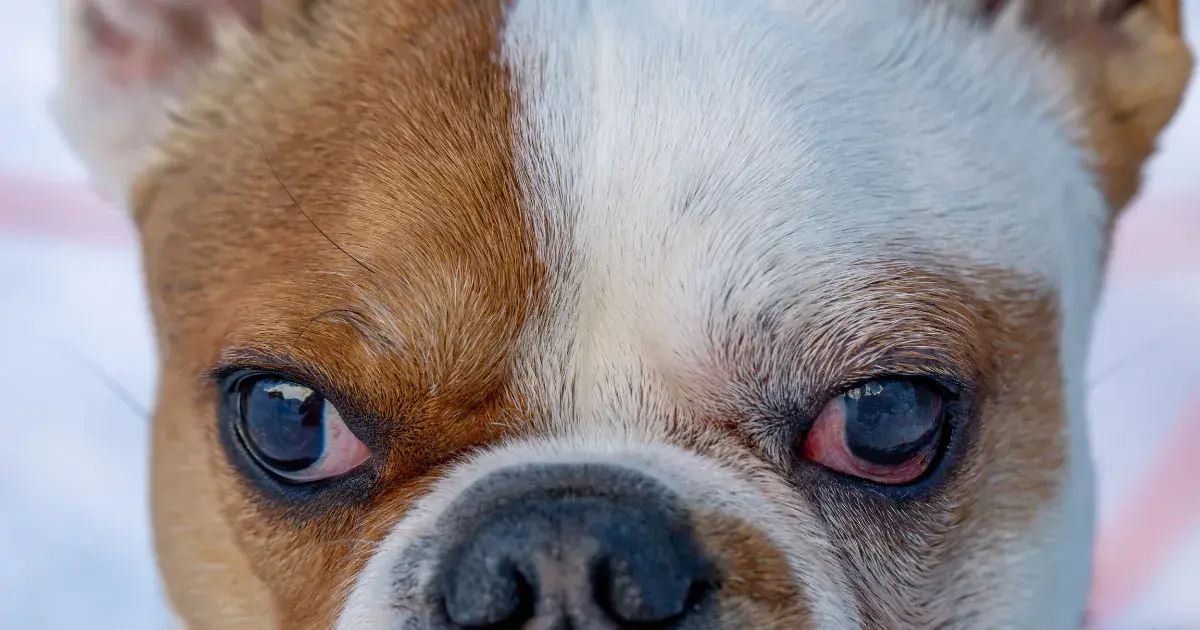
In healthy dogs, this membrane is barely visible and appears pale pink. When inflamed, it becomes red, swollen, and irritated, often producing discharge.
Conjunctivitis is not a single disease but rather a symptom of underlying issues such as infections, allergies, injuries, or other eye conditions.

Common Symptoms of Conjunctivitis in Dogs
Recognising early signs is key to preventing complications. Most dogs with conjunctivitis will show noticeable changes in their eyes and behaviour.
The eyes often appear red due to increased blood flow caused by inflammation. Swelling around the eyelids may also be present. Discharge is another common sign and can vary in appearance. Clear, watery discharge is often linked to allergies or mild irritation, while thick yellow or green discharge may indicate bacterial infection.
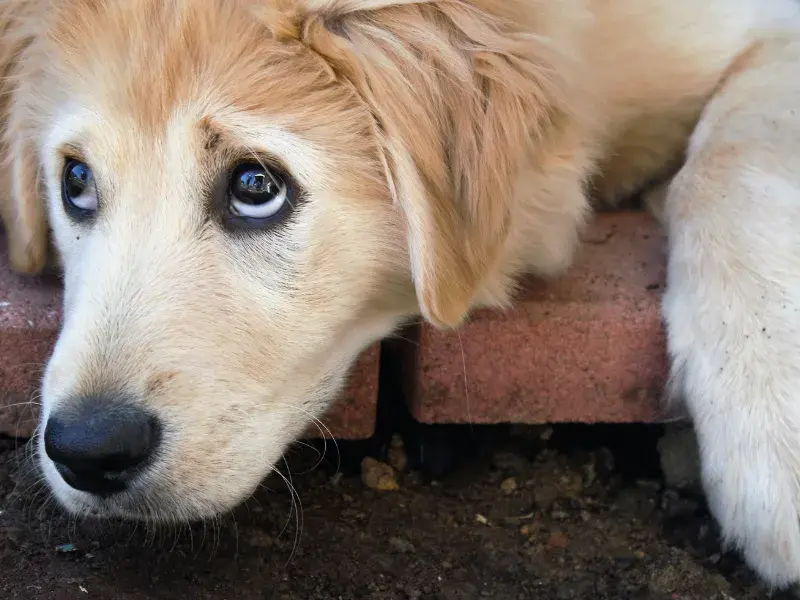
Dogs with conjunctivitis frequently squint or blink excessively as they try to relieve discomfort. Some may paw at their eyes, which can worsen irritation or cause further injury.
Sensitivity to light is also common. You may notice your dog avoiding bright areas or seeking darker spaces. In more severe cases, crusting can form around the eyes as discharge dries.
What Causes Conjunctivitis in Dogs?
Conjunctivitis in dogs can be caused by a wide range of factors. Understanding these causes helps guide proper treatment.
Bacterial Infections
Bacteria such as Staphylococcus, Streptococcus, and Pseudomonas are common contributors. These infections often occur when the eye’s natural defenses are weakened due to irritation or underlying conditions.
Bacterial conjunctivitis typically presents with thick discharge and requires prompt treatment to prevent complications.
Viral Infections
Viruses are another important cause, especially in environments where dogs interact frequently.
Conditions such as canine distemper virus, canine herpesvirus, and adenovirus can affect the eyes as part of a broader infection. Viral conjunctivitis is often accompanied by respiratory symptoms and may spread between dogs.
Vaccination plays a key role in prevention.
Allergies and Environmental Irritants
Allergic conjunctivitis is very common in Dubai due to environmental factors. Dust, sand, pollen, and air pollution can irritate the eyes.
Indoor irritants such as cleaning products, smoke, and perfumes may also trigger inflammation. Dogs with allergies often have watery discharge and may experience itching or redness.
Foreign Bodies and Trauma
Small particles such as sand or debris can easily enter a dog’s eye, especially during outdoor walks. Even minor scratches can lead to irritation and inflammation.
Trauma from accidents or rough play may also damage the eye surface and increase the risk of infection.
Underlying Eye Conditions
Some dogs develop conjunctivitis as a result of other eye problems.
Conditions such as dry eye (keratoconjunctivitis sicca) reduce tear production, making the eye more vulnerable to infection. Eyelid abnormalities like entropion or ectropion can cause constant irritation.
Other conditions such as glaucoma, uveitis, or corneal ulcers may also contribute to redness and inflammation.
Which Dogs Are More at Risk?
Certain breeds are more prone to eye problems due to their physical characteristics.
Brachycephalic breeds such as Pugs, Bulldogs, and Shih Tzus have more exposed eyes, making them vulnerable to irritation and infection. Dogs with skin folds or long facial hair may also experience increased moisture and bacterial growth around the eyes.
Dogs with a history of allergies or chronic eye conditions are also at higher risk.
How Veterinarians Diagnose Conjunctivitis
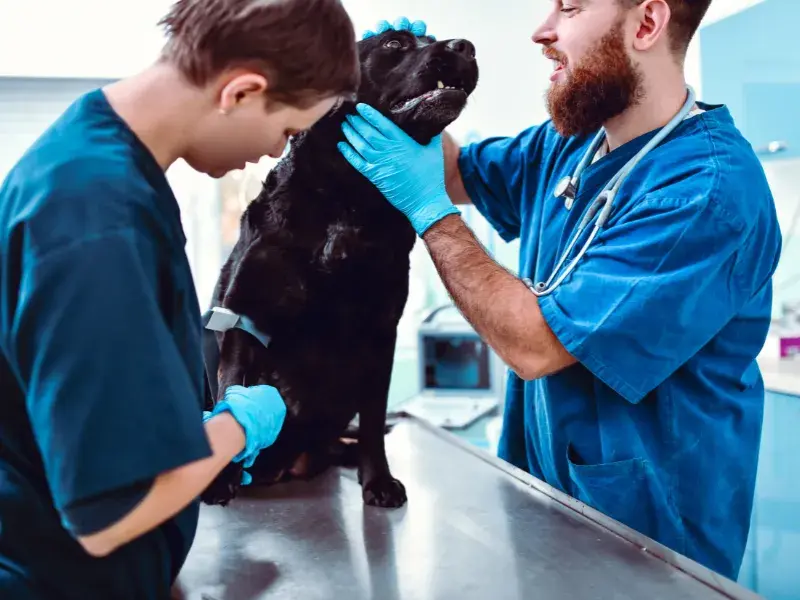
When you visit a veterinary clinic, diagnosis begins with a detailed eye examination. The vet will assess the appearance of the eye, eyelids, and surrounding tissues.
Several diagnostic tests may be used to determine the underlying cause.
An eye staining test helps detect scratches or corneal ulcers by highlighting damaged areas. The Schirmer tear test measures tear production and is essential for diagnosing dry eye.
If infection is suspected, cytology or culture tests may be performed to identify bacteria or other pathogens. Measuring intraocular pressure using tonometry helps rule out glaucoma.
In cases where allergies are suspected, further testing may be recommended to identify specific triggers.
Treatment Options for Conjunctivitis in Dogs
Treatment depends on the underlying cause but generally focuses on reducing inflammation, eliminating infection, and improving comfort.
For bacterial infections, veterinarians often prescribe antibiotic eye drops or ointments. Anti-inflammatory medications may also be used to reduce swelling and irritation.
Allergic conjunctivitis is typically managed with antihistamines, corticosteroids, or environmental adjustments to reduce exposure to allergens.
If a foreign object is present, it must be carefully removed, often under sedation. Supportive care is also important and may include cleaning the eyes and preventing further irritation using an Elizabethan collar.
Recovery and Prognosis
Most cases of conjunctivitis in dogs respond well to treatment. Mild infections may resolve within a week, while more severe cases may take up to two or three weeks.
Consistent medication use and follow-up visits are important to ensure complete recovery.
If left untreated, conjunctivitis can lead to complications such as corneal ulcers or chronic eye disease.
How to Prevent Conjunctivitis in Dogs
Preventing conjunctivitis starts with good eye hygiene and overall health care.
Regularly cleaning your dog’s eyes helps remove debris and prevent irritation. Keeping your home clean and reducing exposure to dust and chemicals is especially important in the UAE environment.
Routine vaccinations protect against viral infections, while managing allergies helps reduce recurring eye problems.
Regular checkups at veterinary clinics listed on PetsGuide.ae ensure early detection and proper management of any eye conditions.
Final Thoughts
Conjunctivitis in dogs is common but should never be ignored. While many cases are mild and treatable, others may indicate more serious underlying conditions.
By recognising early signs and seeking veterinary care when needed, you can help protect your dog’s vision and overall wellbeing.
If you are concerned about your dog’s eye health, you can find trusted veterinary clinics, grooming services, and pet care providers across the UAE on PetsGuide.ae.