

When It’s Needed, Benefits, Risks, and Recovery
If your dog has been dealing with constant ear infections, you already know how frustrating and painful it can be — for both you and your pet. From repeated head shaking and scratching to foul odor and swelling, chronic ear disease can significantly affect your dog’s quality of life.
In many cases, ear infections can be managed with medication and regular cleaning. But when the condition becomes severe, long-term, or unresponsive to treatment, veterinarians may recommend a more advanced solution: Total Ear Canal Ablation (TECA).
Although it may sound like a drastic procedure, TECA is often life-changing for dogs suffering from chronic ear pain.
This guide from PetsGuide.ae explains when TECA is needed, how the procedure works, its risks, and what recovery looks like for dog owners in Dubai and across the UAE.
What Is Total Ear Canal Ablation (TECA)?
Total Ear Canal Ablation, commonly referred to as TECA, is a surgical procedure in which the entire external ear canal is removed. It is typically performed in combination with a bulla osteotomy (TECA-BO), where the middle ear chamber is opened and cleaned.
To understand why this is necessary, it helps to know how a dog’s ear works. The ear canal acts like a tube that carries sound toward the eardrum. When this canal becomes chronically inflamed, scarred, narrowed, or infected, it can trap bacteria and debris, making treatment ineffective.
TECA removes the diseased ear canal completely, eliminating the source of infection and pain.
By cleaning the middle ear during the same procedure, veterinarians ensure that no residual infection remains. This is why TECA is often considered a definitive solution rather than a temporary fix.
When Is TECA Recommended?
TECA is not the first line of treatment. It is usually recommended only when other options have failed or when the condition has become irreversible.
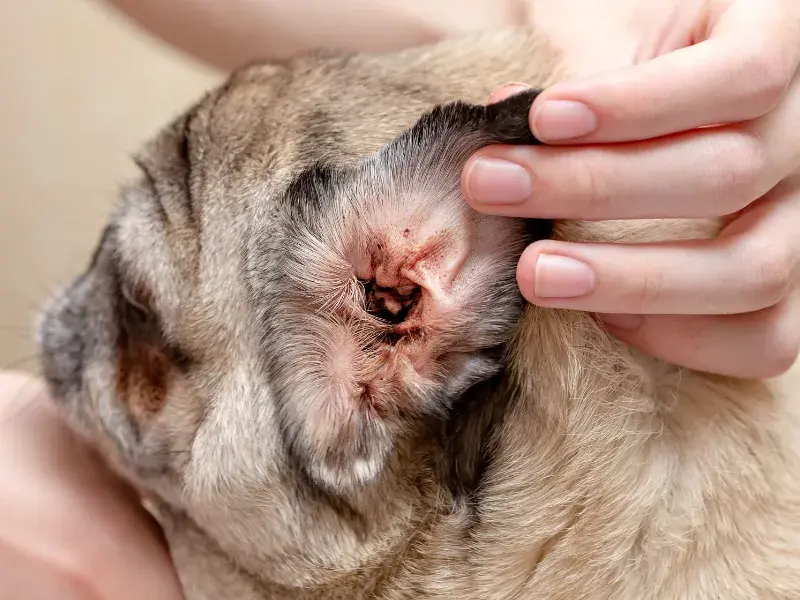
One of the most common reasons is chronic ear infections. Dogs that suffer from recurring infections over months or years often develop thickened, scarred ear canals. At this stage, medications can no longer penetrate effectively, and infections persist despite treatment.
Another indication is the presence of tumors or abnormal growths within the ear canal. These can block airflow, trap debris, and cause ongoing inflammation and discomfort.
In some dogs, the ear canal becomes severely narrowed, a condition known as stenosis. This creates an ideal environment for bacteria and yeast to thrive, making long-term management extremely difficult.
Trauma or congenital structural abnormalities may also lead to a non-functional ear canal that requires surgical removal.
If your dog has been undergoing repeated treatments without improvement, you can explore specialist veterinary care through PetsGuide.ae, where you’ll find experienced surgical clinics across Dubai and the UAE.
Benefits of Total Ear Canal Ablation in Dogs
While TECA may sound intimidating, many pet owners are surprised by how dramatically it improves their dog’s quality of life.
The most immediate benefit is relief from chronic pain. Dogs with severe ear disease often live in constant discomfort. After surgery and recovery, this pain is significantly reduced or completely eliminated.
Another major advantage is that TECA removes the source of infection entirely. Instead of managing symptoms repeatedly, the surgery addresses the root cause. This prevents future infections and eliminates the need for ongoing ear medications.
Dogs that undergo TECA often become more active, relaxed, and engaged. Without the constant irritation and discomfort, they can return to normal behaviors such as playing, sleeping peacefully, and interacting with their owners.
For many pet owners, the reduction in frequent vet visits, medications, and ongoing treatments is also a significant benefit.
Will My Dog Lose Hearing After TECA?
This is one of the most common concerns among pet owners.
In most cases, dogs requiring TECA have already experienced significant hearing loss due to chronic infection and inflammation. The removal of the ear canal does not usually result in a noticeable additional loss of hearing.
Dogs rely heavily on other senses such as smell and vibration, and they typically adapt very well after surgery.

The TECA Procedure: What to Expect
The procedure is performed under general anesthesia and follows a carefully planned surgical process.
Before surgery, your veterinarian will conduct a thorough examination, including blood tests and imaging such as X-rays, CT scans, or MRI. This helps assess the extent of disease and confirm that TECA is the best option.
On the day of surgery, your dog will receive anesthesia, pain management, and intravenous fluids. The surgical area is prepared and sterilized.
The surgeon then makes an incision around the ear opening and carefully removes the entire ear canal. The ear flap (pinna) is left intact for cosmetic purposes.
Once the canal is removed, the middle ear is opened and cleaned thoroughly. Any infected tissue, debris, or abnormal material is removed to prevent recurrence.
The area is then flushed, and a drain may be placed to allow fluid to escape during healing. The incision is closed in layers to ensure proper recovery.
Recovery After TECA Surgery
Recovery is an important part of the process and requires careful attention from pet owners.
Most dogs are hospitalized for one to three days after surgery for monitoring and pain management. Once discharged, your veterinarian will prescribe antibiotics, pain relief medication, and possibly anti-inflammatory drugs.
The first two weeks are critical. Your dog will need to wear an Elizabethan collar to prevent scratching or disturbing the surgical site. Activity should be limited to allow proper healing.
Stitches are usually removed within 10 to 14 days, and most dogs begin to feel significantly better within a few weeks.
Full recovery typically takes between four to eight weeks. During this time, follow-up visits ensure that healing is progressing as expected.
Risks and Possible Complications
Like any major surgery, TECA carries some risks, although complications are relatively uncommon when performed by experienced surgeons.
One potential complication is facial nerve injury, which may cause temporary or, in rare cases, permanent facial drooping. This can affect blinking or lip movement.
Some dogs may develop Horner’s syndrome, which affects eye appearance and pupil size but often improves over time.
Other risks include wound infection, swelling, or persistent drainage if infection was not completely cleared.
In rare cases, damage to the inner ear may result in balance issues, similar to vestibular disease.
Discussing these risks with your veterinarian beforehand helps ensure you are fully informed.

Is TECA the Right Choice for Your Dog?
Deciding on TECA can feel overwhelming. However, for dogs suffering from long-term ear disease, it is often the most effective and compassionate option.
If your dog is experiencing repeated infections, ongoing pain, or poor response to treatment, surgical intervention may provide a permanent solution.
Consulting with experienced veterinarians through PetsGuide.ae can help you explore your options and determine the best course of action.
Final Thoughts
Total Ear Canal Ablation is not just a surgical procedure — it is often a turning point for dogs trapped in a cycle of chronic pain and infection.
While it requires commitment to recovery and careful veterinary care, the long-term benefits can be life-changing. Dogs that undergo TECA often return to a happier, more comfortable life free from constant discomfort.
For pet owners in Dubai and the UAE, early consultation and proper guidance can make all the difference.