
Causes, Symptoms, Treatment, and How to Manage It in the UAE
Cat asthma is a chronic respiratory condition caused by inflammation and narrowing of the airways, often triggered by allergens such as dust, smoke, or pollution. Common symptoms include coughing, wheezing, and difficulty breathing. While asthma in cats cannot be cured, it can be effectively managed with medication and environmental control.
If your cat has ever started coughing suddenly, breathing heavily, or making wheezing sounds, it can be worrying — especially when it resembles a hairball but nothing comes out. In many cases, these signs may point to feline asthma, a condition that is more common than many pet owners in Dubai realize.
With indoor living, air conditioning, dust exposure, and environmental allergens, cats in the UAE can be particularly prone to respiratory sensitivities. The good news is that with proper care, early diagnosis, and the right management plan, cats with asthma can live long and comfortable lives.
In this guide by PetsGuide.ae, we’ll walk you through everything you need to know about cat asthma — from causes and symptoms to diagnosis, treatment, and daily management.
What Is Cat Asthma?
Cat asthma, also known as feline asthma, is a chronic condition that affects the lower airways (bronchi and bronchioles) inside the lungs. When a cat is exposed to a trigger, the immune system overreacts, causing inflammation and narrowing of these airways.
This leads to difficulty breathing, mucus buildup, and spasms in the airway muscles.
Under normal conditions, air flows freely through the respiratory system — from the nose to the lungs — allowing oxygen to be absorbed efficiently. In a cat experiencing an asthma episode, the airways become constricted, making it harder for air to move in and out.
This is why affected cats may cough, wheeze, or struggle to breathe.
What Causes Asthma in Cats?
Feline asthma is typically triggered by environmental or immune-related factors. In a region like the UAE, where dust and indoor living are common, identifying triggers is especially important.
Environmental Allergens and Irritants
The most common cause of cat asthma is exposure to airborne irritants. Dust, sand particles, pollen, and mold spores can all trigger inflammation in sensitive cats.
Indoor irritants are equally important. Strong cleaning products, perfumes, incense, air fresheners, and cigarette smoke can worsen respiratory symptoms. Even certain types of cat litter — especially dusty or scented ones — can irritate the lungs.
Because many cats in Dubai live indoors with air conditioning, poor air circulation can also contribute to ongoing irritation.
Respiratory Infections
Previous respiratory infections can increase the risk of developing asthma. Viral infections such as cat flu can damage the airways, making them more sensitive to future triggers.
Even after recovery, the airways may remain reactive, leading to chronic inflammation.

Genetics and Breed Predisposition
Some cats are more prone to asthma due to their genetic makeup. Breeds such as Siamese and Himalayan cats have been shown to have a higher risk.
These cats may have more sensitive immune responses or structural differences in their airways that make them more susceptible to inflammation.
Lifestyle Factors
Obesity, stress, and age can also influence asthma severity. Overweight cats tend to have increased pressure on their respiratory system, which can worsen symptoms.
Stress can act as a trigger as well, particularly in cats that are already sensitive to environmental changes.
Symptoms of Cat Asthma
Asthma symptoms in cats can range from mild to severe and may develop gradually or appear suddenly.
One of the most common signs is a dry, persistent cough, often mistaken for a hairball. Unlike a hairball episode, nothing is expelled, and the coughing may repeat frequently.
Wheezing is another key symptom. You may hear a high-pitched or whistling sound when your cat breathes, especially after activity or exposure to irritants.
In more advanced cases, cats may show open-mouth breathing or increased effort when breathing. This is always a serious sign and requires immediate veterinary attention.
Some cats adopt a hunched posture with their neck extended forward to help airflow. Others may become lethargic, lose appetite, or gradually lose weight due to discomfort.
In severe situations, lack of oxygen may cause bluish gums — a medical emergency.
How Is Cat Asthma Diagnosed?
Diagnosing asthma in cats involves ruling out other conditions that can cause similar symptoms, such as infections, heart disease, or lung conditions.
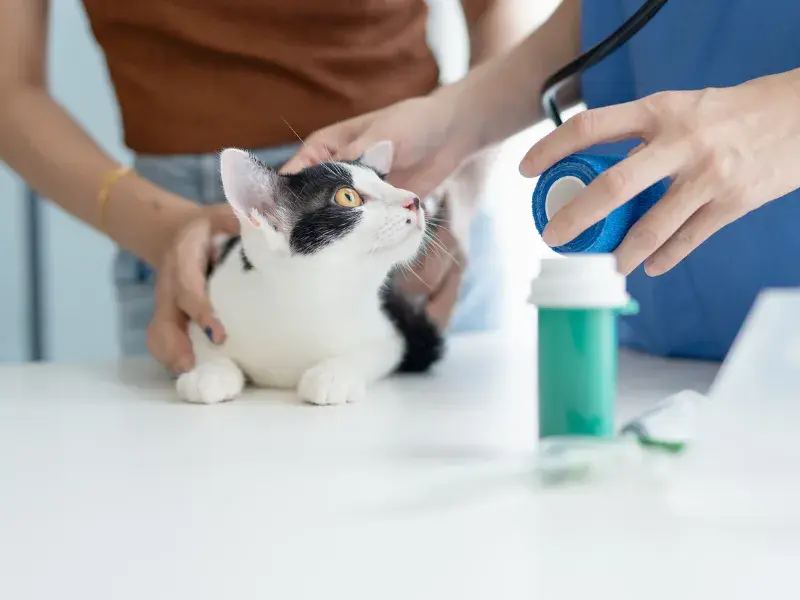
A veterinarian will begin with a detailed clinical examination, listening to your cat’s breathing using a stethoscope and reviewing their medical history and environment.
To confirm the diagnosis, further tests may be recommended.
Chest X-rays are commonly used to visualize inflammation in the airways and detect characteristic patterns associated with asthma.
In more complex cases, procedures such as bronchoscopy may be performed. This involves using a small camera to examine the airways under anesthesia.
Another diagnostic method is bronchoalveolar lavage, where fluid samples from the lungs are collected and analyzed. The presence of certain immune cells can strongly indicate asthma.
You can find experienced veterinary clinics in Dubai and across the UAE on PetsGuide.ae, where advanced diagnostic tools are available.
Treatment for Cat Asthma
While feline asthma cannot be cured, it can be effectively managed with the right treatment plan.
The primary goal of treatment is to reduce inflammation, open the airways, and prevent asthma attacks.
Medications
Anti-inflammatory drugs, particularly corticosteroids, are the cornerstone of asthma treatment. These help reduce swelling and mucus production in the airways.
Bronchodilators are often used to relax airway muscles and improve airflow, especially during acute episodes.
In many cases, inhaled medications are preferred because they act directly in the lungs and have fewer side effects compared to oral medications.
Inhalation Therapy
Inhalers designed for cats, such as spacer devices, allow medication to be delivered directly into the lungs.
Although some cats may take time to adjust, inhalation therapy is one of the safest and most effective long-term management options.
Veterinary guidance is essential when starting inhaler treatment to ensure proper technique and dosage.
Managing Cat Asthma at Home
Daily management plays a crucial role in reducing asthma flare-ups and improving your cat’s quality of life.
One of the most important steps is reducing exposure to triggers. Switching to low-dust, unscented cat litter can significantly improve respiratory comfort.
Improving air quality is equally important. Using air purifiers with HEPA filters can help remove allergens from the environment, particularly in closed indoor spaces.
Regular cleaning of carpets, furniture, and bedding reduces dust buildup. Avoid using strong cleaning chemicals or aerosols around your cat.
Maintaining a healthy weight and minimizing stress also support better respiratory health.
What Happens if Cat Asthma Is Left Untreated?
Untreated asthma can progressively worsen over time. Chronic inflammation may lead to permanent airway damage, making breathing increasingly difficult.
Severe asthma attacks can become life-threatening, especially if oxygen levels drop significantly.
Early diagnosis and consistent management are key to preventing complications and ensuring your cat maintains a good quality of life.
Final Thoughts
Cat asthma may sound serious — and it is — but with proper care, it is a manageable condition. The key is recognizing symptoms early, identifying triggers, and following a consistent treatment plan.
Many cats with asthma go on to live long, happy lives with minimal limitations.
If you suspect your cat may have asthma, you can explore trusted veterinary clinics, pet products, air purifiers, and grooming services across the UAE on PetsGuide.ae to support your pet’s respiratory health.