Meaning, Science, and Benefits Explained
Cats purr as a way to communicate, express comfort, self-soothe, and even promote healing. This low-frequency vibration—typically between 25 and 150 Hz—is produced by muscles in the throat and is linked to both emotional and physical wellbeing. While most purring signals contentment, it can also occur when a cat is stressed, unwell, or in pain.
If you’ve ever sat quietly with your cat curled up beside you, listening to that gentle rumble, you’ve probably wondered what it really means. Is your cat happy? Asking for something? Or simply enjoying the moment?
For pet owners in Dubai and across the UAE, understanding your cat’s purring is more than just curiosity—it helps you better respond to your cat’s needs and build a stronger bond.
In this guide from PetsGuide.ae, we break down the science behind purring, why cats do it, what it means in different situations, and how it can even benefit your own health.
What Is Cat Purring?
Purring is a continuous, rhythmic sound produced by a cat’s vocal system. Unlike meowing, which is a deliberate vocalization, purring is created automatically through a combination of neurological and muscular activity.
Inside your cat’s body, a signal from the brain—often referred to as a neural oscillator—activates the muscles in the larynx (voice box) and diaphragm. These muscles contract and relax rapidly, causing the vocal cords to open and close in quick succession.
As your cat breathes in and out, air passes through these vibrating muscles, creating that familiar soft, rolling sound. What makes purring unique is that it happens during both inhalation and exhalation, giving it a continuous, soothing rhythm.
Why Do Cats Purr?
While many people associate purring with happiness, the reality is more complex. Cats use purring for several reasons, and the context matters.
Communication With Humans and Other Cats
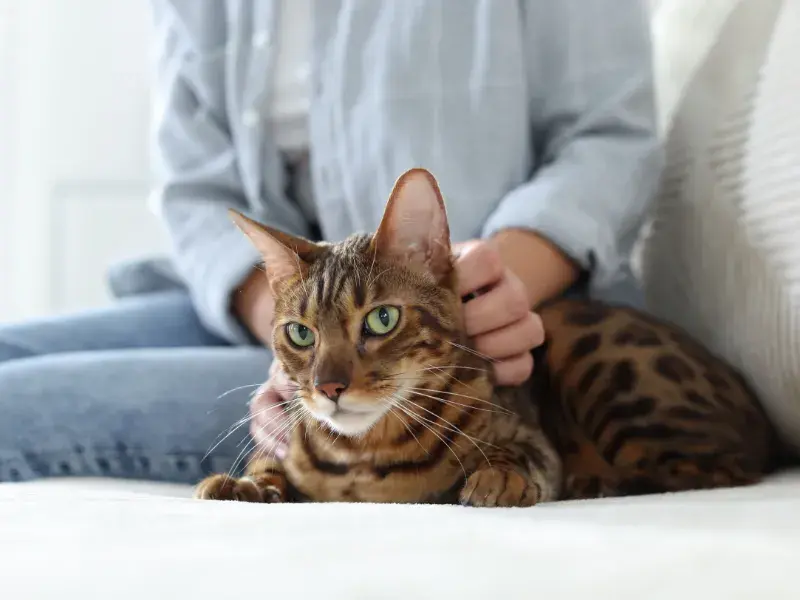
Purring is one of the primary ways cats communicate. When directed toward humans, it often signals a need or emotion. Your cat might purr when greeting you, asking for food, or seeking attention.
Cats also combine purring with body language. A raised tail, slow blinking, and gentle rubbing usually indicate affection. On the other hand, a tense posture or flattened ears may suggest discomfort—even if purring is present.
Expression of Comfort and Contentment
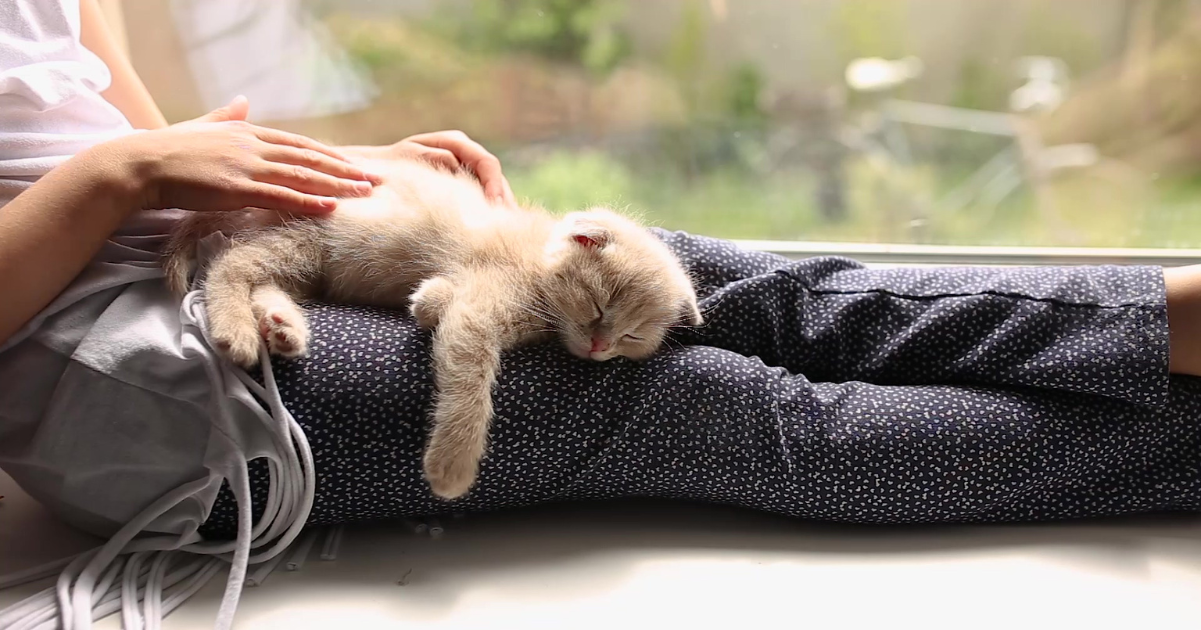
The most recognizable type of purring happens when cats feel safe and relaxed. This often occurs when they are sitting on your lap, resting beside you, or enjoying being stroked.
In these moments, purring is a clear sign that your cat feels secure in its environment. This is especially common in indoor cats living in calm, stable homes across the UAE.
Self-Soothing During Stress or Pain
Interestingly, cats also purr when they are anxious, frightened, or in discomfort. In veterinary clinics across Dubai, it is not unusual for cats to purr during examinations—even when they are unwell.
This type of purring is believed to be a self-soothing mechanism. It helps regulate stress and may even reduce pain. This is why context is so important when interpreting your cat’s behavior.
If your cat is purring but also hiding, not eating, or acting differently, it may be worth checking with a veterinarian. You can easily find trusted veterinary clinics in Dubai through PetsGuide.
Healing and Physical Recovery
One of the most fascinating aspects of purring is its potential healing effect. Research suggests that the frequency range of a cat’s purr—between 25 and 150 Hz—may support tissue repair, reduce inflammation, and promote bone strength.
This could explain why cats often recover quickly from injuries compared to other animals. Purring may act as a natural form of therapy, helping their bodies heal more efficiently.
Social Bonding Between Cats
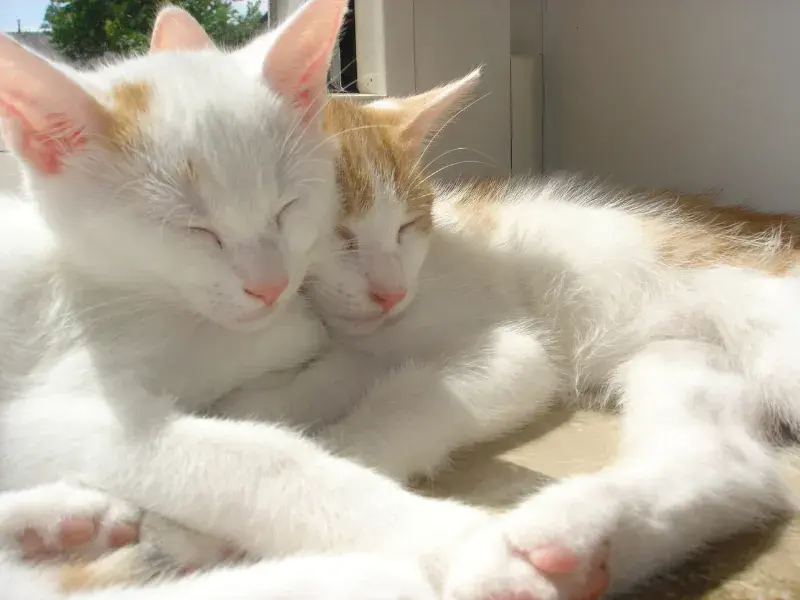
Purring also plays an important role in social interaction between cats. Mother cats purr almost constantly when caring for their kittens, creating a sense of safety and reassurance.
Kittens are born blind and deaf, but they can feel vibrations. The mother’s purr helps guide them and strengthen early bonding.
This behavior often continues into adulthood, with cats using purring to build trust and connection with other cats in the household.
Do Some Cats Purr More Than Others?
Not all cats purr the same way or with the same frequency. Some cats are naturally more vocal and expressive, while others are quieter.
Breed can play a role. For example, Siamese cats are known for being highly vocal and may purr more frequently. Other breeds like Persians or Maine Coons may purr in a softer, more relaxed manner.
Age also influences purring. Kittens tend to produce soft, gentle purrs, while adult cats develop stronger, deeper vibrations. Senior cats may use purring more for comfort and self-soothing.
Personality, environment, and past experiences also shape how often and why a cat purrs.
Benefits of Cat Purring for Humans
Spending time with a purring cat is not only comforting—it can also have real health benefits for humans.
Stress Reduction and Relaxation
The rhythmic sound of purring has a calming effect on the human nervous system. It can help lower stress levels, reduce anxiety, and create a sense of relaxation.
For many pet owners in busy cities like Dubai, this can be especially valuable after a long day.
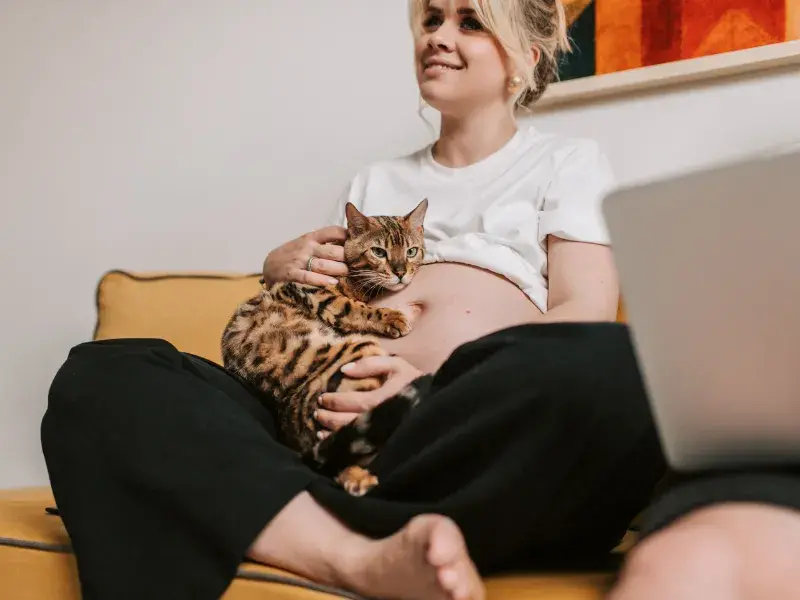
Emotional Wellbeing
Purring is associated with the release of feel-good hormones such as serotonin and oxytocin. This can improve mood, reduce feelings of loneliness, and strengthen the emotional bond between you and your pet.
Physical Health Support
Some studies suggest that exposure to purring frequencies may support bone density, muscle repair, and even cardiovascular health. While more research is needed, many pet owners report feeling physically better when spending time with their cats.
How Should You Respond When Your Cat Purrs?
Understanding your cat’s purring helps you respond in a way that supports their wellbeing.
Start by observing the situation. Is your cat relaxed and cuddling, or are they withdrawn and behaving differently? The context will tell you whether the purring is positive or a sign of stress.
If your cat appears content, continue what you are doing—whether it’s petting, sitting quietly, or simply being nearby. These moments strengthen your bond.
If something seems off, such as changes in appetite, behavior, or energy levels, it’s best to consult a professional. Through PetsGuide.ae, you can quickly locate nearby vets, grooming services, or pet care providers across the UAE.
When Should You Be Concerned About Purring?
Purring itself is not a problem, but it can sometimes mask underlying issues.
You should monitor your cat more closely if purring is accompanied by:
• Loss of appetite
• Lethargy
• Hiding behavior
• Breathing changes
• Signs of pain
In these cases, purring may be a coping mechanism rather than a sign of happiness.
Final Thoughts
A cat’s purr is one of the most unique and fascinating sounds in the animal world. It is more than just a sign of happiness—it is a complex form of communication that reflects both emotional and physical states.
By learning to understand your cat’s purring, you can respond better to their needs, strengthen your bond, and ensure their overall wellbeing.
Whether your cat is asking for attention, relaxing beside you, or trying to self-soothe, their purr is always a message worth listening to.