
If your cat shows signs such as difficulty breathing, inability to urinate, seizures, sudden loss of appetite, or extreme lethargy, it may require immediate veterinary care. Cats often hide illness, so even subtle changes in behavior or routine can signal serious underlying health problems that should not be ignored.
Cats are known for being independent and resilient, but this also means they are extremely good at hiding pain and illness. For many cat owners in Dubai and across the UAE, this can make it difficult to recognize when something is wrong.
The reality is that by the time a cat shows obvious symptoms, the condition may already be advanced. This is why understanding early warning signs is critical. Acting quickly can prevent minor issues from turning into life-threatening emergencies.
In this guide from PetsGuide.ae, we break down the most important signs that your cat may need urgent veterinary attention, helping you make faster and more confident decisions about your pet’s health.
Sudden Changes in Eating or Drinking Habits
One of the earliest and most important indicators of illness in cats is a change in appetite.
If your cat stops eating for more than 24 hours, this should always be taken seriously. Cats are particularly sensitive to fasting, and prolonged lack of food can lead to a dangerous condition known as fatty liver disease (hepatic lipidosis).
On the other hand, if your cat suddenly becomes excessively hungry while losing weight, it may point to conditions such as hyperthyroidism, diabetes, or intestinal parasites.
Increased water intake is another important red flag. Many UAE pet owners notice this change first, especially in indoor cats. It can indicate kidney disease, diabetes, or hormonal disorders.
Even if your cat is eating premium diets or the best commercial cat food available, sudden changes in appetite always require evaluation at a veterinary clinic.
If you are unsure, you can explore trusted veterinary clinics in Dubai on PetsGuide.ae to get your cat checked early.

Breathing Problems and Respiratory Distress
Breathing issues in cats should never be ignored.
Unlike dogs, cats do not normally pant. If your cat is breathing with its mouth open, struggling to breathe, or showing rapid breathing while resting, this is an emergency situation.
A healthy cat typically breathes fewer than 40 breaths per minute at rest. Anything above this may indicate respiratory distress.
More serious signs include blue or pale gums, wheezing, or noisy breathing. These symptoms can be linked to asthma, heart disease, pneumonia, or even poisoning.
In Dubai’s environment, where dust, air conditioning, and allergens are common, respiratory issues can develop quickly. Immediate veterinary care is essential to stabilize your cat and identify the underlying cause.
Behavioural Changes and Neurological Signs
Cats are creatures of habit, so even small behavioral changes can be significant.
If a normally social cat suddenly hides, or an independent cat becomes unusually clingy, this may indicate discomfort or illness.
More serious concerns include neurological symptoms such as seizures, head tilting, loss of balance, or sudden blindness. These signs may be linked to conditions affecting the brain or vestibular system.
For example, issues like nystagmus in cats (abnormal eye movement) or vestibular disease can cause disorientation and imbalance. These are conditions that require prompt diagnosis and treatment.
Changes in litter box habits are also important. Straining to urinate, frequent attempts with little output, or urinating outside the litter box may indicate urinary blockages or infections.
These conditions can become life-threatening very quickly, especially in male cats.
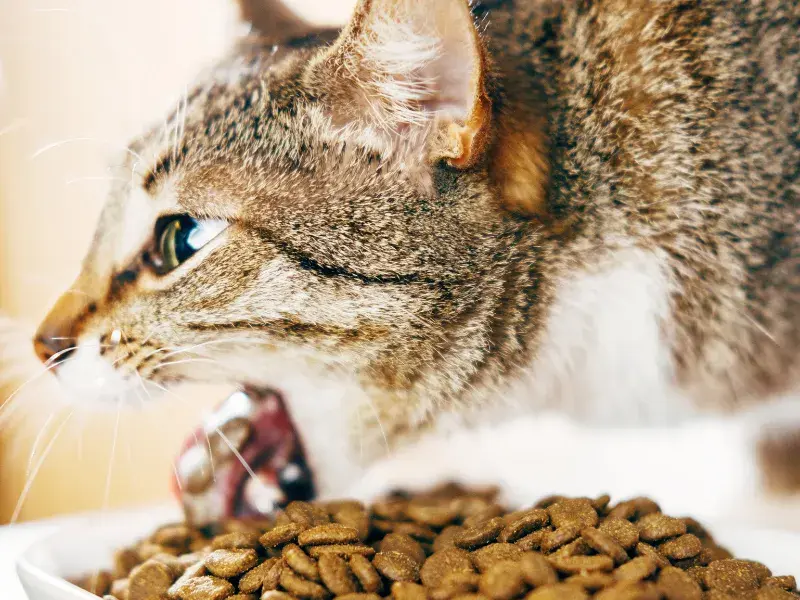
Vomiting, Diarrhoea, and Digestive Issues
Occasional vomiting may not always be a concern, especially with hairballs. However, persistent vomiting, diarrhoea, or dry heaving should never be ignored.
Cats can become dehydrated quickly, particularly in warm climates like the UAE. Dehydration can worsen rapidly and lead to further complications.
Abdominal pain is often subtle in cats. You may notice your cat resisting being picked up, hiding, or adopting unusual positions. Some cats may crouch low or appear tense when touched.
Conditions such as pancreatitis, intestinal blockage, or infections require immediate veterinary evaluation.
If your cat shows repeated digestive symptoms, it is best to seek advice from a vet rather than waiting for symptoms to resolve on their own.
Urinary Problems – A True Emergency
Urinary issues are one of the most urgent and life-threatening conditions in cats.
If your cat is straining to urinate, producing little or no urine, or crying in the litter box, this may indicate a urethral blockage.
This is especially common in male cats and can become fatal within 24 to 48 hours if untreated.
Other warning signs include blood in the urine, frequent trips to the litter box, or urinating outside the box.
Because urinary blockages progress quickly, immediate veterinary care is essential. Early intervention can save your cat’s life.

Physical Signs You Should Never Ignore
Certain physical changes can indicate serious illness even before behavioral symptoms appear.
Changes in gum color are particularly important. Pale gums may suggest anemia or shock, while yellow gums can indicate liver disease. Bright red gums may be linked to infection or toxicity.
Discharge from the eyes or nose, sudden weight loss, or the appearance of the third eyelid are also warning signs.
These symptoms may seem minor at first, but they often point to deeper health problems that require medical attention.
Routine checkups and early diagnosis are key to preventing complications.
Trauma, Accidents, and Poisoning
Cats in Dubai often live in apartments or villas with balconies, making falls a real risk. Even if your cat appears fine after a fall or injury, internal damage may not be immediately visible.
Ingestion of toxic substances is another major concern. Common household dangers include cleaning products, medications, and certain plants such as lilies, which are extremely toxic to cats.
Symptoms of poisoning may include vomiting, seizures, drooling, or lethargy.
If you suspect trauma or toxin exposure, do not wait for symptoms to worsen. Immediate veterinary assessment is critical.
Why Early Action Matters
Cats instinctively hide weakness as a survival behavior. This means that by the time symptoms become obvious, the condition may already be advanced.
Early intervention not only improves treatment success but can also reduce costs, prevent complications, and shorten recovery time.
If something feels “off” about your cat, it is always better to check early rather than wait.
Through PetsGuide.ae, you can quickly find nearby veterinary clinics, emergency services, and trusted pet care providers across Dubai and the UAE.

Final Thoughts
Recognizing the signs of illness in cats can make a life-saving difference. While some symptoms may appear mild, they often signal deeper issues that require professional care.
By staying observant, acting quickly, and maintaining regular veterinary visits, you can help ensure your cat stays healthy, safe, and comfortable.
Your instincts as a pet owner matter. If something doesn’t feel right, trust it.
If you notice any of the following signs, do not wait — contact a veterinary clinic immediately:
1. Breathing Problems
If your cat is panting, breathing with an open mouth, or struggling to breathe, this is an emergency. Cats should never pant like dogs.
2. Not Eating for More Than 24 Hours
A cat refusing food for a full day can quickly develop serious liver complications, especially in adult or overweight cats.
3. Difficulty Urinating or No Urine Outpu
Straining in the litter box, crying, or producing little to no urine may indicate a blockage. This is life-threatening within 24–48 hours.
4. Repeated Vomiting or Severe Diarrhoea
Frequent vomiting, dry heaving, or diarrhoea can lead to dehydration and may signal poisoning, infection, or intestinal blockage.
5. Sudden Weakness, Collapse, or Seizure
Any loss of balance, fainting, seizures, or inability to stand requires immediate veterinary attention.
6. Head Tilt, Eye Flickering, or Loss of Balance
Signs like head tilting or abnormal eye movement (such as nystagmus) often indicate neurological or inner ear problems.
7. Trauma or Possible Poisoning
Falls, injuries, or exposure to toxic substances (like lilies or medications) should always be treated as emergencies — even if your cat seems normal at first.
Quick Rule for UAE Pet Owners
If your cat’s behavior suddenly changes, or something feels “not normal,” it’s always safer to check with a vet immediately.
In cities like Dubai, where environmental factors (heat, dust, indoor living) can impact pet health, early action can make a critical difference.
You can use PetsGuide.ae to quickly find nearby veterinary clinics, emergency services, and trusted pet care providers across the UAE.