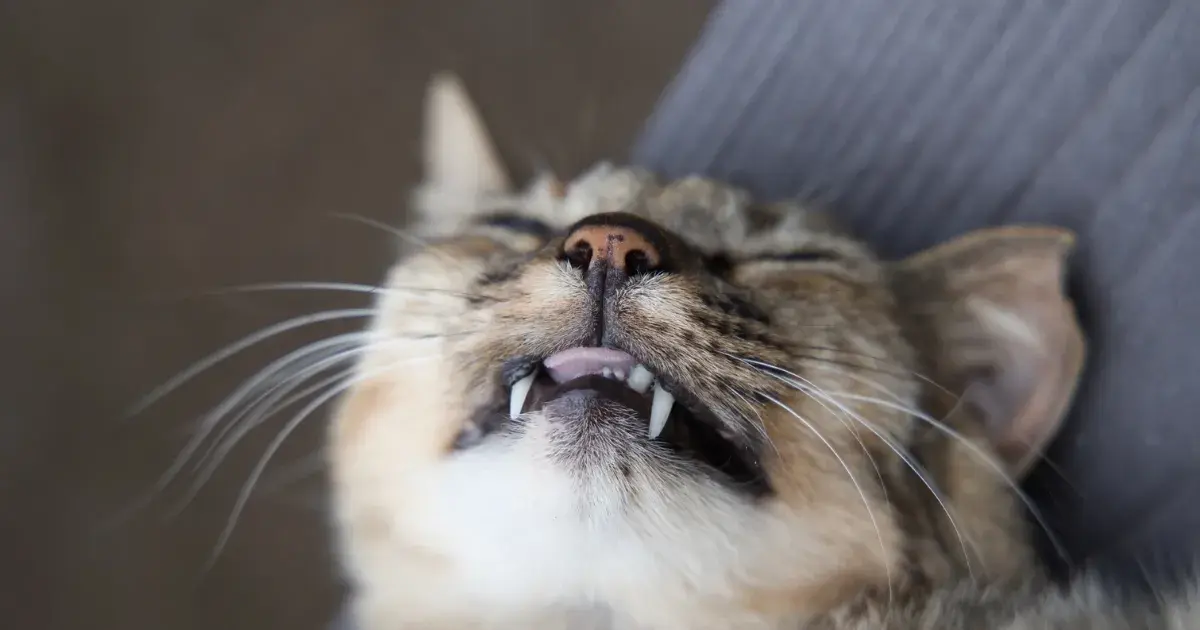
Cat sneezing is usually caused by allergies, respiratory infections, irritants, dental disease, or foreign objects in the nose. While occasional sneezing is normal, frequent sneezing accompanied by nasal discharge, loss of appetite, or breathing difficulty may indicate an underlying health problem that requires veterinary care.
Sneezing in cats is common among indoor pets in Dubai and the UAE due to dust exposure, air conditioning, and environmental allergens. Understanding the causes, symptoms, diagnosis, and treatment options can help pet owners act early and protect their cat’s respiratory health.
Causes, Diagnosis, Treatment, and When to Worry
Sneezing in cats is something most pet owners in Dubai and the UAE will notice at some point. In many cases, it is completely harmless. A simple tickle in the nose or exposure to dust can trigger an occasional sneeze.
However, when sneezing becomes frequent, persistent, or is accompanied by other symptoms such as nasal discharge or loss of appetite, it may indicate an underlying health issue that needs veterinary attention.
Understanding why cats sneeze, how veterinarians diagnose the problem, and what treatment options are available can help you act quickly and protect your pet’s wellbeing.
This guide from PetsGuide.ae explains everything UAE cat owners need to know about sneezing in cats — from common causes to prevention tips.
Why Do Cats Sneeze?
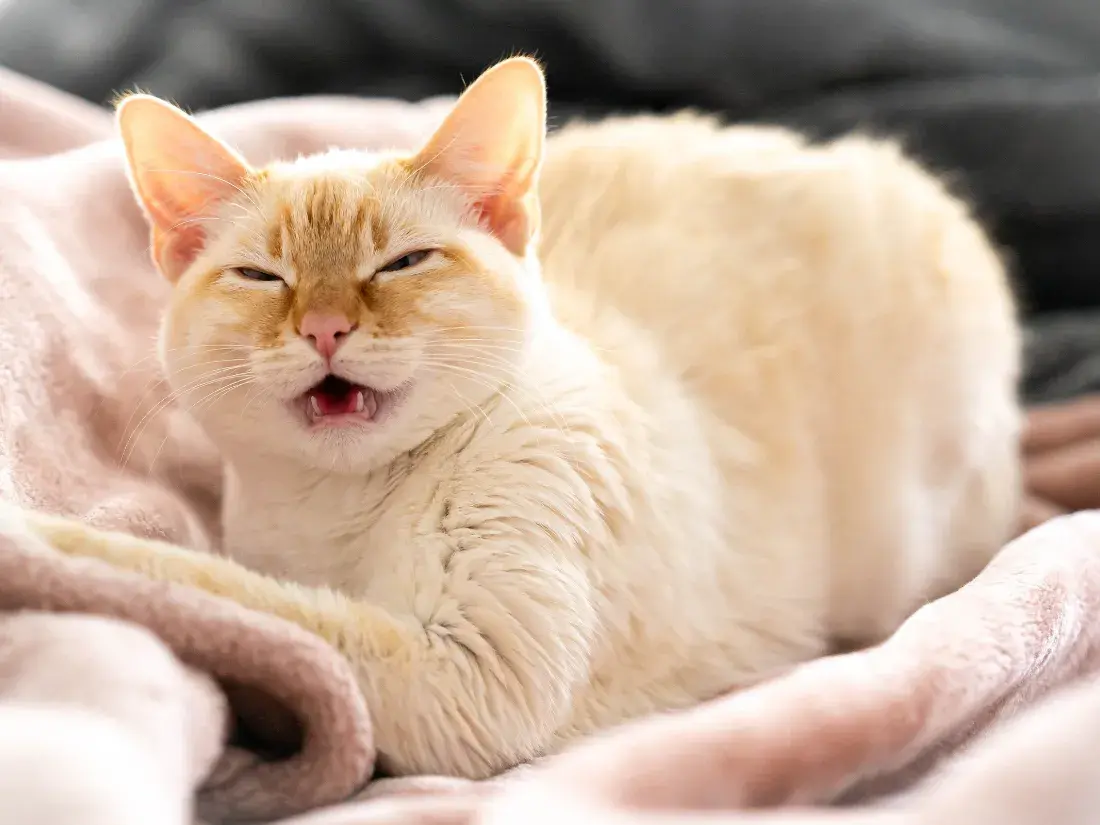
Cats sneeze for many of the same reasons humans do. Sneezing is the body’s natural way of clearing irritants from the nasal passages. While an occasional sneeze is normal, repeated sneezing may signal environmental or medical issues.
Environmental Allergies and Irritants
Allergies are one of the most common causes of sneezing in indoor cats. Dust, pollen, mold spores, and even sand particles — which are common in the UAE climate — can irritate the nasal passages.
Strong scents such as perfumes, cleaning chemicals, incense, or air fresheners may also trigger sneezing episodes. Cats have highly sensitive respiratory systems, and even mild irritants can lead to inflammation.
Improving indoor air quality, regular cleaning, and using pet-safe products can significantly reduce allergy-related sneezing.
Respiratory Infections
Infections are a major cause of persistent sneezing in cats. These infections may be viral, bacterial, or fungal.
Common respiratory infections include feline herpesvirus (FHV-1) and feline calicivirus, both of which are widespread among cats and highly contagious. These viruses often cause upper respiratory disease, leading to sneezing, eye discharge, and congestion.
Bacterial infections such as Chlamydia felis and Bordetella bronchiseptica can also affect the respiratory tract. In some cases, fungal infections like cryptococcosis may occur, especially in cats exposed to contaminated soil or bird droppings.
Routine vaccinations and early veterinary intervention are key to preventing complications.
Foreign Objects in the Nose
Curious cats often explore their surroundings by sniffing. Small particles such as grass seeds, sand, or debris can become lodged inside the nasal passages, causing sudden and repeated sneezing.
This type of sneezing usually starts abruptly and may be accompanied by pawing at the nose or facial discomfort. Veterinary examination is necessary to safely remove the foreign object.
Dental Disease
Many cat owners are surprised to learn that dental problems can cause sneezing.
Infections affecting the upper teeth or gums can spread into the sinus cavities because of the close anatomical relationship between the mouth and nasal passages. Conditions such as gingivitis, periodontal disease, or tooth root abscesses may therefore trigger chronic sneezing.
Regular dental checks and professional cleaning at veterinary clinics listed on PetsGuide can help prevent these issues.
Nasal Polyps and Tumors
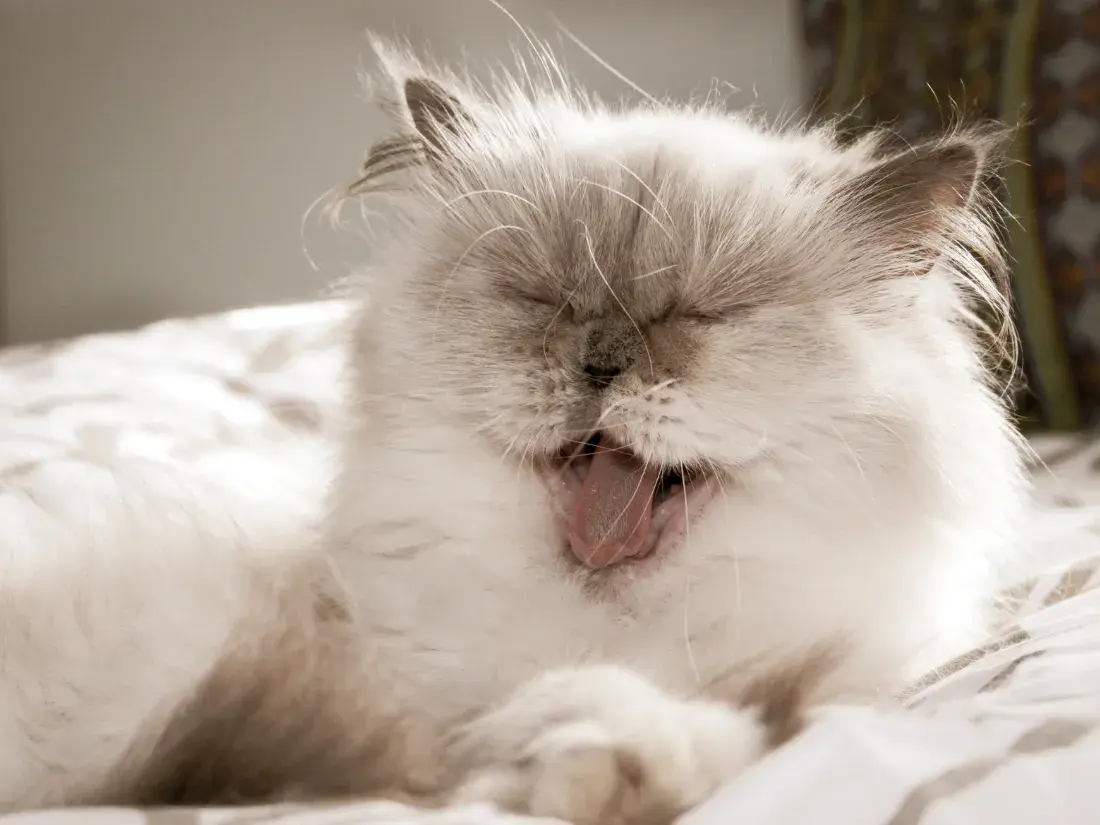
Although less common, growths inside the nasal cavity can irritate the airway and interfere with normal breathing. Polyps are usually benign but can still cause sneezing, congestion, and discharge.
More serious conditions such as nasal tumors may occur in older cats. Early diagnosis significantly improves treatment outcomes.
Symptoms That May Accompany Sneezing
Sneezing alone is not always a sign of illness. However, when combined with other symptoms, it can point to a specific disease process.
Cats suffering from respiratory infections may develop nasal discharge, which can vary in color. Clear discharge often suggests irritation or allergy, while yellow or green mucus may indicate bacterial infection. Bloody discharge could signal trauma or foreign body presence.
Other symptoms to watch for include coughing, wheezing, reduced appetite, lethargy, fever, or labored breathing. Cats rely heavily on their sense of smell to eat. If nasal congestion is severe, they may refuse food altogether.
If your cat shows any of these signs, it is advisable to consult a veterinarian promptly.
When Should You Be Concerned About Cat Sneezing?
Occasional sneezing is normal and rarely requires treatment. However, frequent sneezing lasting more than a few days should not be ignored.
Pet owners should also be concerned if sneezing is accompanied by:
• Eye discharge
• Loss of appetite
• Breathing difficulty
• Behavioral changes
• Persistent nasal congestion
In the UAE’s dusty climate, some cats may experience seasonal flare-ups. Still, prolonged symptoms always warrant professional evaluation.
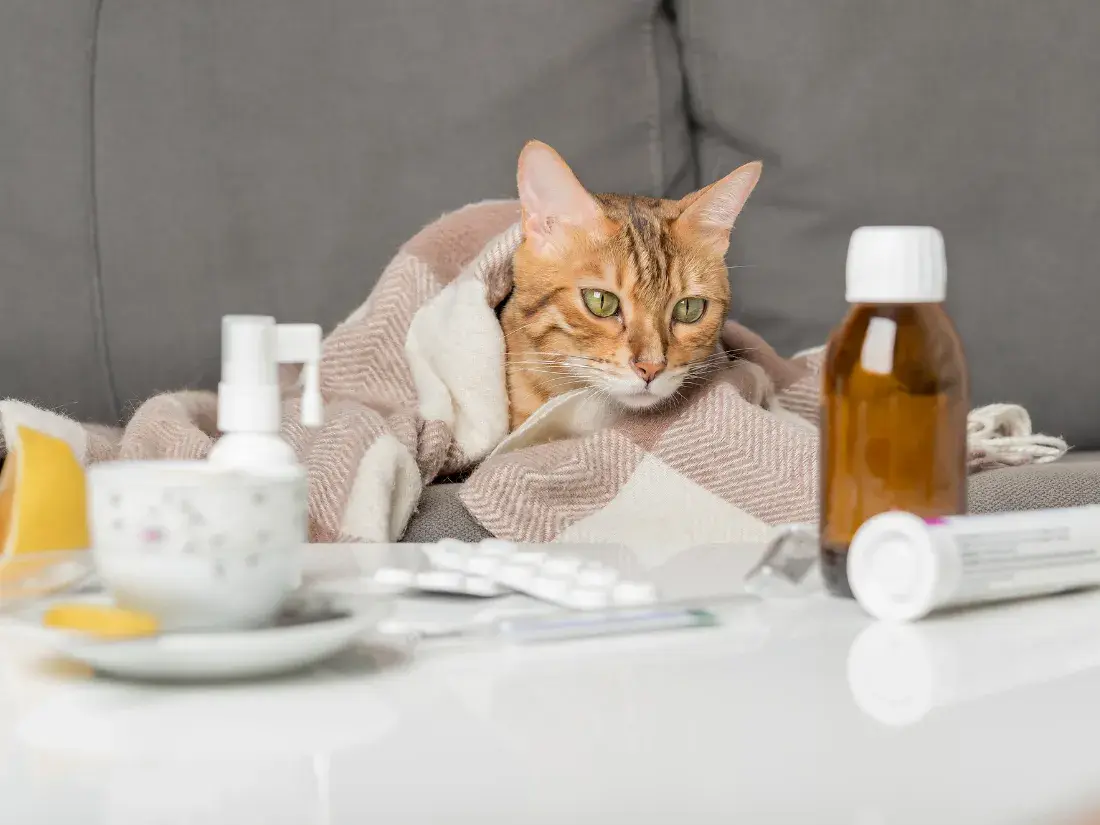
How Veterinarians Diagnose Sneezing in Cats
A veterinary consultation typically begins with a thorough physical examination. The vet will assess the nose, eyes, throat, and breathing patterns to identify visible abnormalities.
If chronic sneezing is present, further diagnostic testing may be recommended.
Rhinoscopy and Tissue Sampling
Rhinoscopy allows veterinarians to examine the nasal passages using a small camera. This procedure helps detect polyps, tumors, foreign objects, or deep infections.
In some cases, a biopsy or culture sample may be collected to identify specific pathogens.
PCR Testing
PCR testing is commonly used to diagnose viral or bacterial infections. A swab from the nasal cavity is analyzed in the laboratory to detect genetic material from infectious organisms.
This method provides accurate and rapid diagnosis, enabling targeted treatment.
Diagnostic Imaging
Radiographs (X-rays) or CT scans may be necessary to evaluate the nasal structures and lungs. Imaging helps identify masses, sinus infections, or structural abnormalities that cannot be detected during routine examination.
Treatment Options for Sneezing Cats
Treatment depends entirely on the underlying cause.
Cats with allergies may benefit from antihistamines or anti-inflammatory medications to reduce nasal swelling. Environmental management, including air purification and allergen control, is also essential.
Infectious conditions often require antibiotics, antiviral medications, or antifungal therapy. Supportive care such as fluid therapy and nutritional assistance may be needed in severe cases.
If dental disease is involved, professional dental cleaning or tooth extraction may resolve the sneezing.
Foreign objects lodged in the nasal passages are typically removed using rhinoscopy. Surgical intervention may be required for nasal tumors or large polyps.
Supportive Care and Recovery
Supportive care plays a major role in helping cats recover from respiratory illness.
Ensuring proper hydration, maintaining a warm and stress-free environment, and encouraging food intake are all important steps. In some cases, vets may recommend nebulization therapy or nasal flushing with sterile saline solution to clear congestion.
Pet owners should always follow veterinary instructions and complete prescribed medication courses.
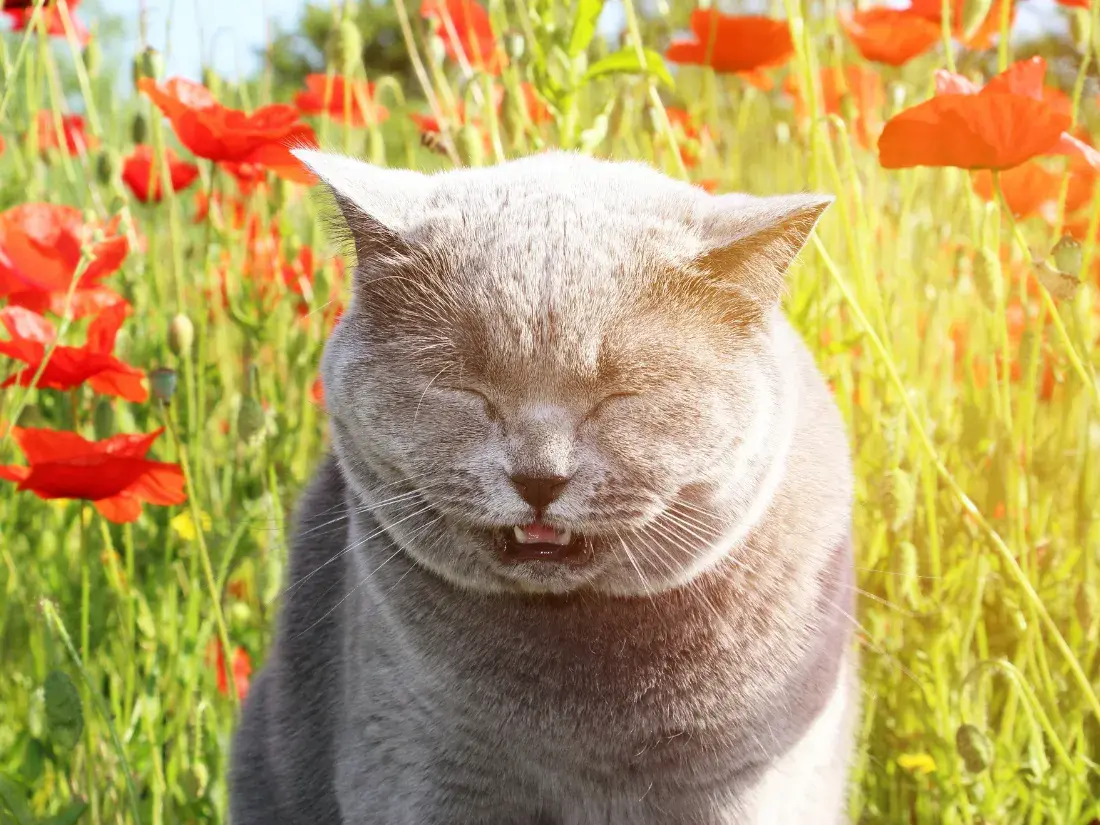
Can Sneezing in Cats Be Prevented?
While it is not always possible to prevent sneezing entirely, several practical measures can reduce the risk.
Keeping your home clean and well ventilated is essential. Vacuuming carpets, washing bedding, and controlling dust levels help minimize respiratory irritation
Vaccination remains one of the most effective preventive strategies. Routine immunization protects against common viral infections that cause upper respiratory disease.
Regular grooming also helps remove allergens trapped in the coat, particularly for long-haired breeds.
Finally, scheduling routine health checks at trusted veterinary clinics across Dubai and the UAE ensures early detection of potential issues.
Final Thoughts
Sneezing may seem like a minor symptom, but in cats it can sometimes signal a more serious underlying condition. Paying attention to accompanying signs and seeking timely veterinary care can make a significant difference in your pet’s health.
By maintaining good hygiene, keeping vaccinations up to date, and monitoring behavioral changes, UAE pet owners can help their cats stay comfortable and healthy.
If you are looking for veterinary clinics, grooming salons, or pet products that support respiratory health, you can explore trusted providers across the UAE on PetsGuide.ae.