Causes, Symptoms, and Treatment of Feline Alopecia
A cat’s coat is more than just beautiful fur — it is a reflection of overall health and wellbeing. When the coat becomes thin, patchy, or starts falling out, it is often a sign that something is wrong.
Hair loss in cats, also known as feline alopecia, is a common concern for pet owners in the UAE. The condition can range from mild thinning to severe bald patches and may develop suddenly or gradually depending on the cause.
Understanding why cats lose hair is the first step toward effective treatment. In this guide, we explain the most common causes of hair loss in cats, how veterinarians diagnose the issue, and what treatments are available.
If you are concerned about your cat’s coat condition, you can use PetsGuide.ae to find trusted veterinary clinics, pet groomers, nutrition experts, and pet behaviour specialists across Dubai and the UAE.
What Does Hair Loss in Cats Look Like?
Hair loss in cats can appear in different ways. Some cats develop clear bald patches, while others experience overall thinning of the coat.
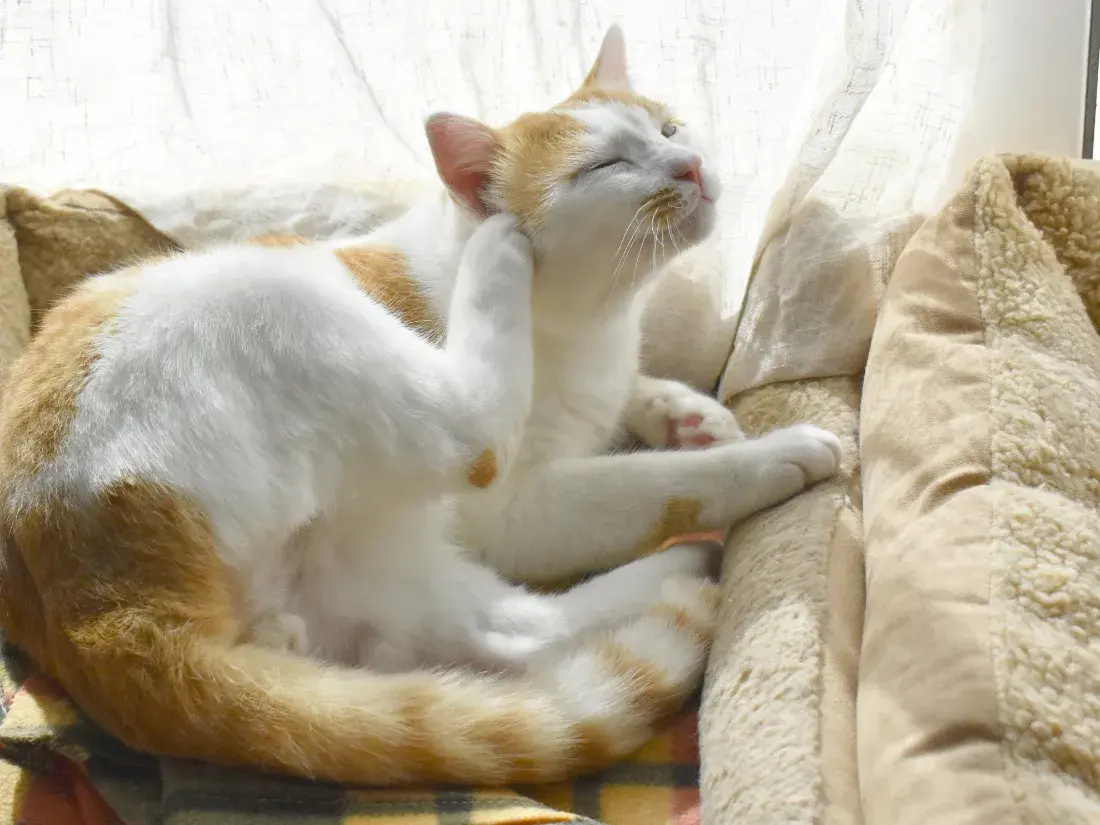
One common sign is overgrooming, where the coat looks “mowed” or uneven. This often happens when the cat is trying to relieve itching or stress.
In other cases, you may notice symmetrical hair loss, where thinning appears on both sides of the body. Some cats also develop scabs, redness, or skin irritation — particularly near the base of the tail, abdomen, or neck.
Because cats groom themselves frequently, hair loss can sometimes go unnoticed until the condition becomes advanced. Regular brushing and close observation help detect problems early.
Normal Shedding vs Hair Loss in Cats
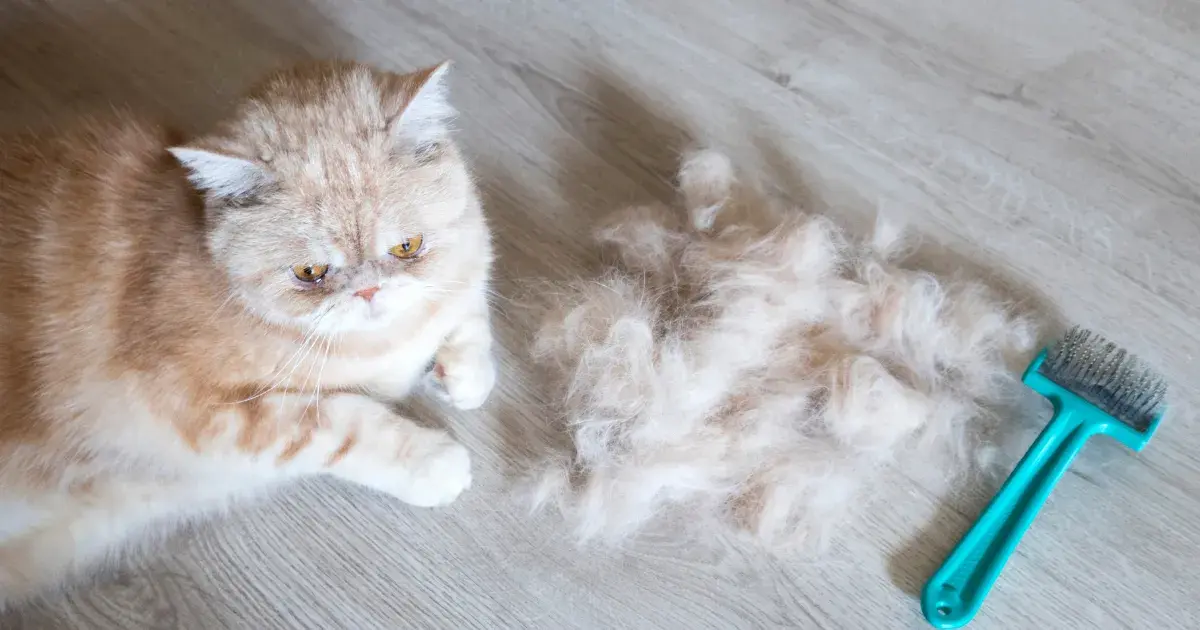
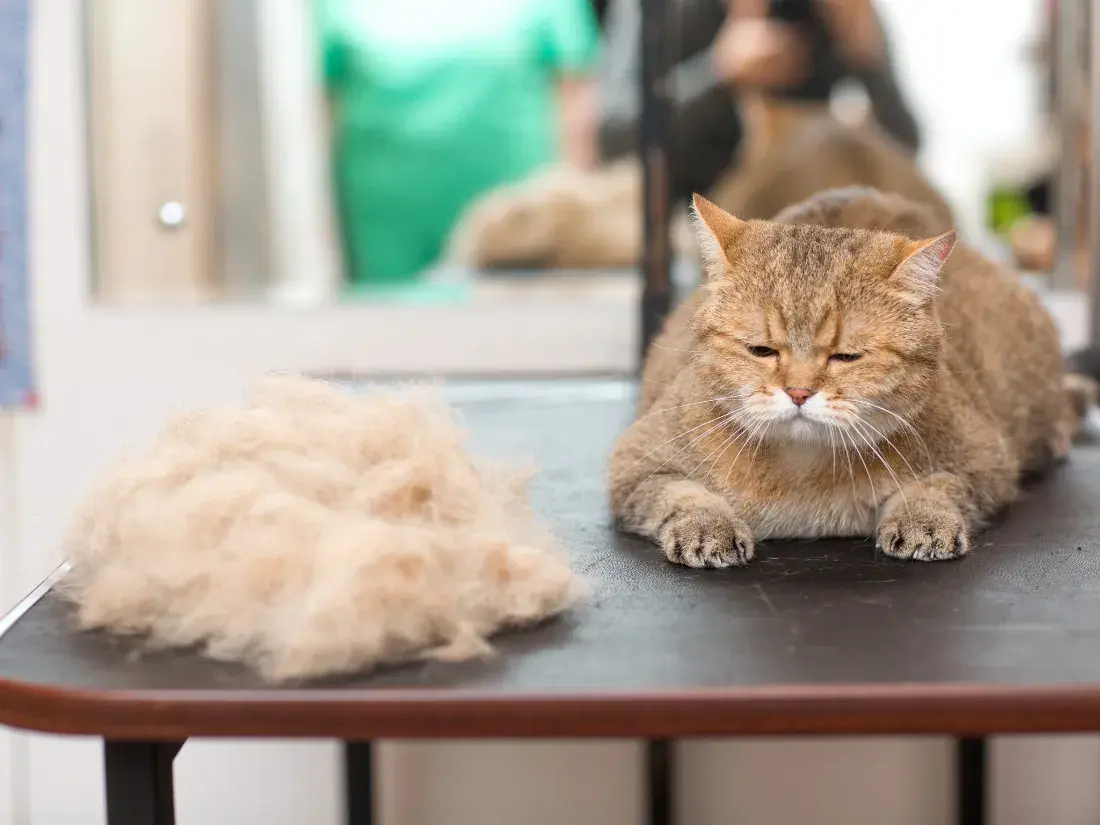
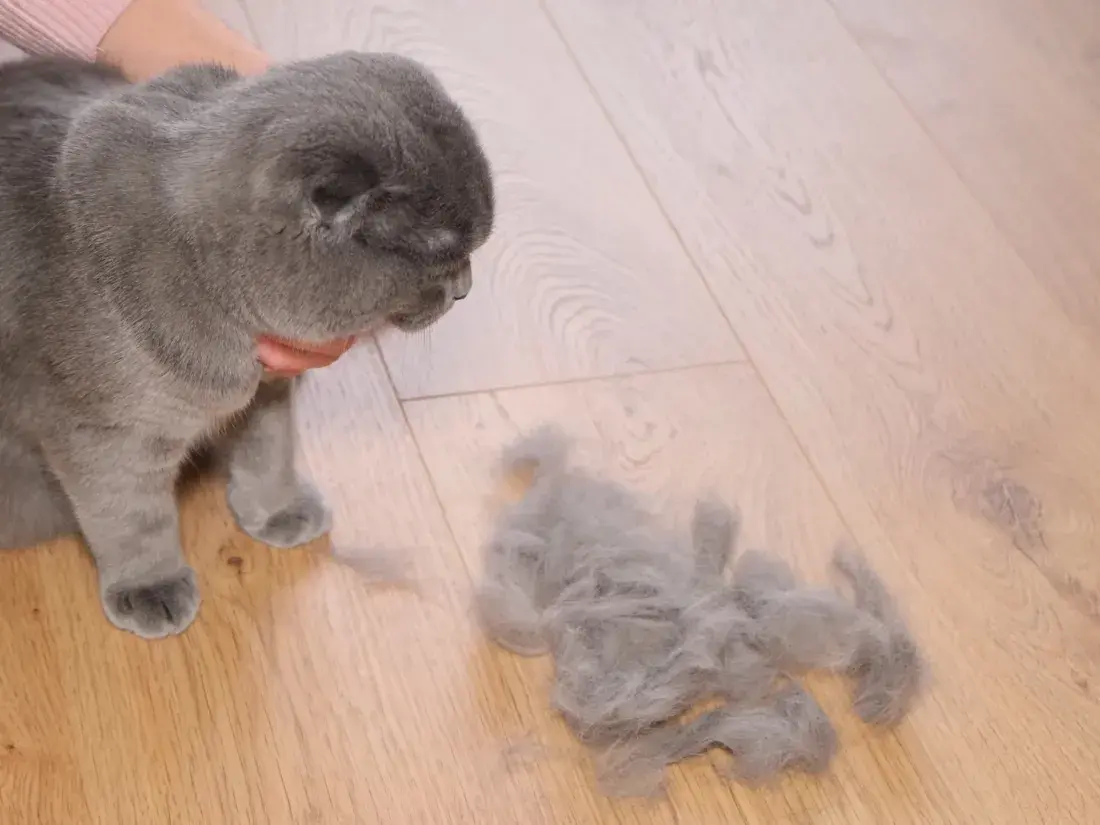
Shedding is a natural process. Cats typically shed more during seasonal changes as their coats adapt to temperature and daylight variations. This type of hair loss is even and temporary.
Feline alopecia is different. It often results in uneven patches, thinning areas, or bald spots that do not resolve on their own.
When shedding is accompanied by scratching, skin lesions, behavioural changes, or weight loss, it is important to consult a veterinarian.
Common Causes of Hair Loss in Cats
Hair loss can have multiple underlying causes. Some are simple and easily treated, while others require more advanced medical care.
External Parasites
Parasites such as fleas, mites, and ticks are among the most common reasons for hair loss in cats living in warm climates like the UAE.
Fleas in particular can trigger intense itching and allergic reactions. Many cats respond by scratching or chewing their skin, leading to localized hair loss.
Regular parasite prevention is essential and can be discussed with a veterinarian listed on PetsGuide.
Allergies
Cats can develop allergies to food ingredients, environmental allergens like dust or pollen, or contact materials such as plastic feeding bowls.
Allergic reactions often cause itching, redness, and hair loss — especially around the head, neck, and back.
Food allergies can be challenging to diagnose because they may appear at any age. A veterinarian may recommend an elimination diet or allergy testing to determine the trigger.
Skin Infections
Bacterial and fungal infections frequently cause alopecia. One of the most well-known conditions is ringworm, which produces circular patches of hair loss and scaling.
Other infections such as pyoderma or flea allergy dermatitis can also damage the coat and skin. Early treatment helps prevent the condition from spreading to other pets or humans.
Hormonal Disorders
Hormonal imbalances can disrupt the normal hair growth cycle. Conditions such as hyperthyroidism or Cushing’s disease may lead to symmetrical hair thinning.
These disorders often require blood tests and long-term management.
Stress and Anxiety
Emotional wellbeing plays a significant role in coat health. Cats experiencing chronic stress may groom excessively, a condition known as psychogenic alopecia.
Common stress triggers include moving to a new home, introduction of new pets, lack of stimulation, or changes in routine.
Behavioural support and environmental enrichment can significantly improve coat recovery.
Nutritional Deficiencies
Diet is another major factor. Cats that consume low-quality food or suffer from digestive disorders may develop poor coat condition and hair loss.
High-quality protein, essential fatty acids, and vitamins are vital for healthy skin and fur.
Pet owners can explore nutrition advice and recommended food options through pet nutrition services listed on PetsGuide.ae.
Genetics and Age
Certain breeds, such as the Sphynx, Devon Rex, and Cornish Rex, are naturally predisposed to hair thinning.
Older cats may also experience gradual coat changes. While mild thinning can be normal with age, sudden hair loss should always be investigated.
Immune Disorders and Serious Diseases
In rare cases, autoimmune diseases or cancer may contribute to hair loss. Conditions such as pemphigus or mast cell tumours affect the skin and require specialised veterinary care.
Prompt diagnosis improves treatment outcomes.
How Veterinarians Diagnose Hair Loss in Cats
A veterinary consultation is the most reliable way to identify the cause of alopecia.
The process usually begins with a physical examination and discussion about your cat’s behaviour, diet, and environment. Depending on findings, the vet may recommend diagnostic tests.
These may include skin scrapings to detect parasites, fungal cultures, blood tests to evaluate hormonal health, or allergy trials.
In complex cases, a skin biopsy may be required to rule out autoimmune or cancer-related causes.
Treatment Options for Feline Alopecia
Treatment always depends on the underlying cause.
Parasite infestations are typically treated with topical or oral medications. Skin infections may require antibiotics, antifungal therapy, or medicated shampoos.
Allergic conditions often need long-term management involving diet changes, environmental control, or medication.
Hormonal disorders may require hormone therapy or specialised treatments.
When stress is the trigger, veterinarians and pet behaviourists may recommend environmental enrichment, pheromone diffusers, or behaviour modification plans.
Nutritional support also plays a key role. Balanced diets designed for skin and coat health can significantly improve recovery.
Preventing Hair Loss in Cats
Although not all causes can be prevented, good daily care can reduce the risk.
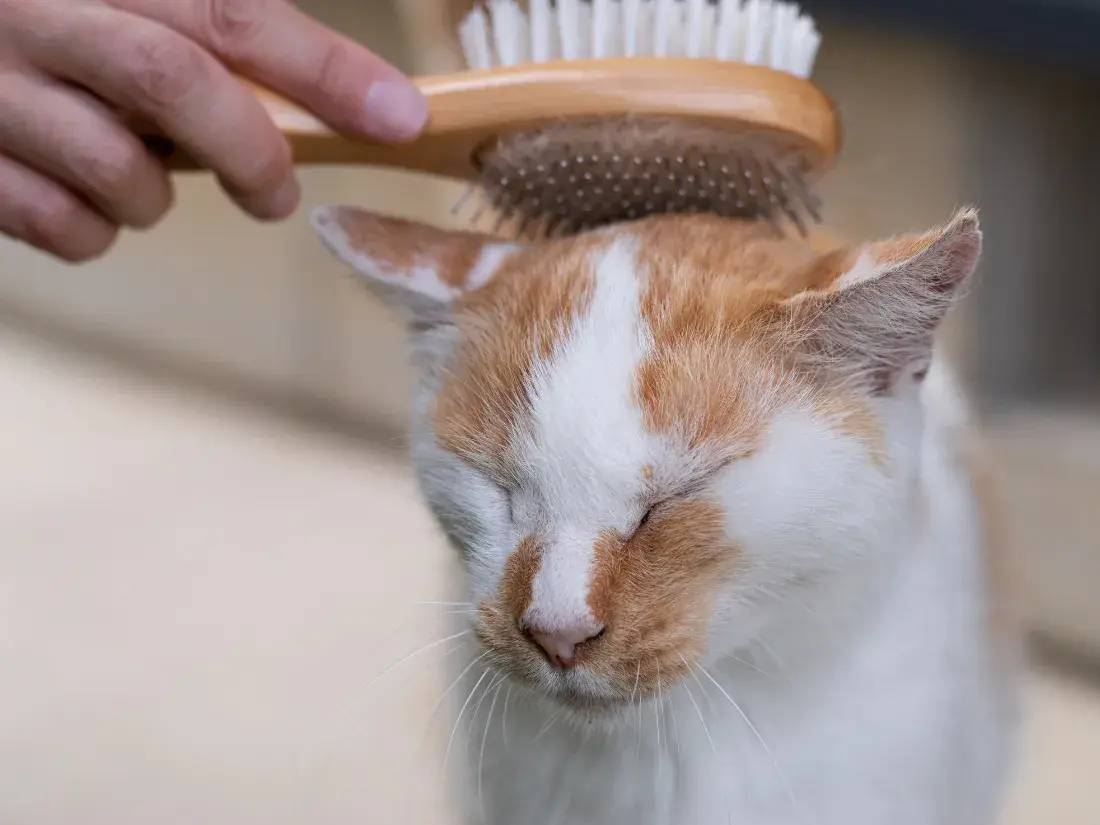
Regular grooming helps detect early signs of skin problems. Parasite prevention treatments protect against fleas and mites.
Providing a high-quality diet supports skin integrity and fur growth. Maintaining a calm home environment helps minimise stress-related grooming issues.
Routine veterinary checkups remain one of the most effective ways to safeguard your cat’s health.
Final Thoughts
Hair loss in cats is not just a cosmetic concern. It is often an early warning sign that something is affecting your pet’s health.
By recognising symptoms early and seeking veterinary guidance, most cases of feline alopecia can be successfully treated or managed.
If you are unsure where to start, PetsGuide.ae helps pet owners across the UAE find trusted veterinary clinics, groomers, nutrition experts, and behaviour specialists.
Taking action early can make a significant difference in your cat’s comfort and quality of life.