Causes, Symptoms, Treatment, and When to Seek Veterinary Care
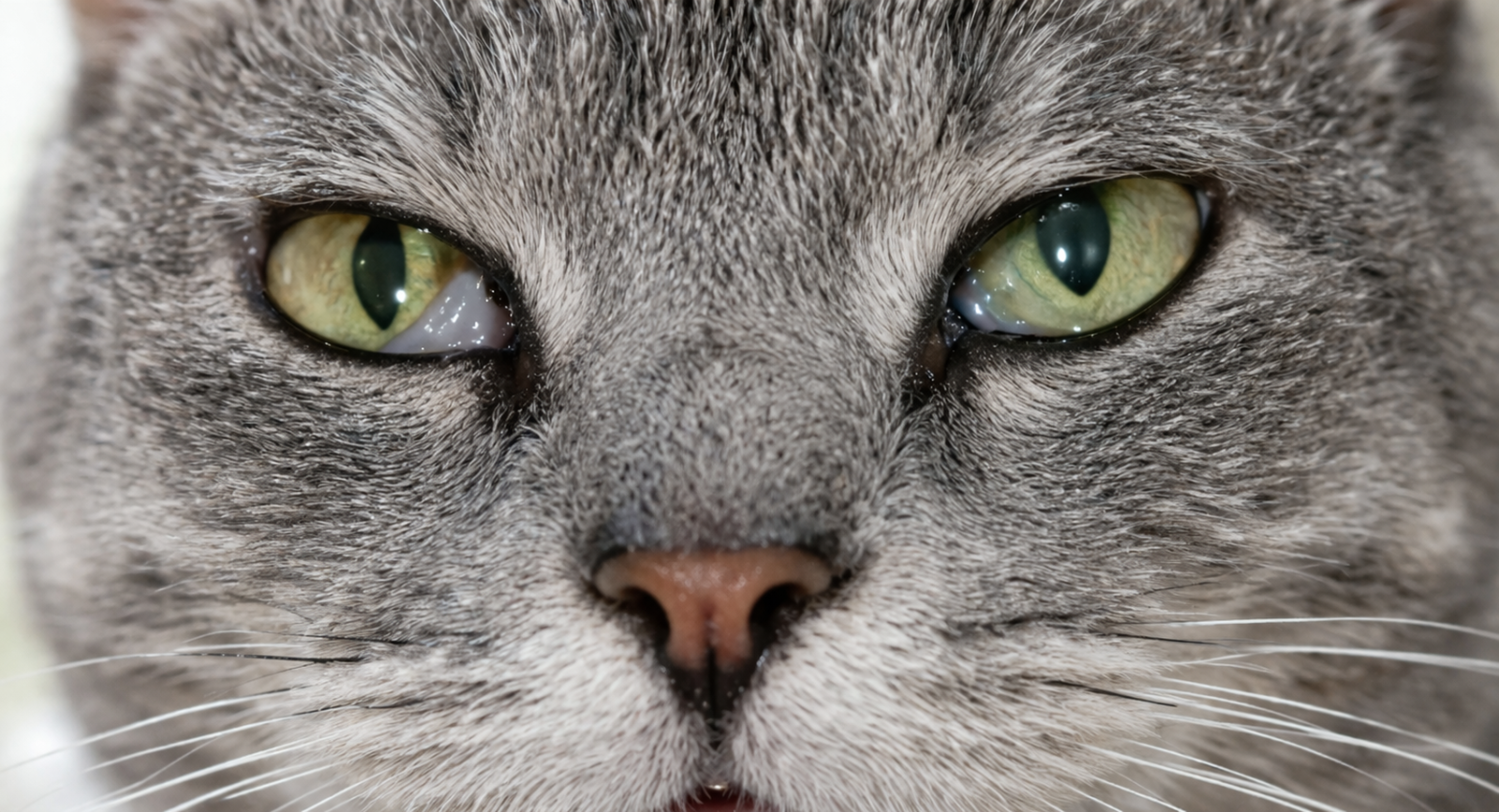
Nystagmus in cats is a condition where the eyes move involuntarily and repeatedly, usually due to problems affecting the inner ear or brain. It is commonly associated with vestibular disease, ear infections, neurological disorders, head trauma, or toxin exposure. While some cases resolve with treatment, sudden or severe nystagmus requires urgent veterinary attention.
This condition may also be accompanied by head tilt, loss of balance, circling, vomiting, or confusion. Early diagnosis and treatment significantly improve recovery outcomes, especially when the underlying cause is identified quickly.
If you suddenly notice your cat’s eyes moving rapidly from side to side, up and down, or in unusual circular patterns, it can be extremely worrying. This condition is known as nystagmus, and while it may look alarming, it is not a disease itself. Instead, it is usually a sign that something is affecting your cat’s balance system or nervous system.
In many cases, nystagmus in cats can be treated successfully once the underlying cause is identified. However, early veterinary attention is very important, especially if the eye movements appear suddenly or are accompanied by loss of balance, head tilt, or vomiting.
This guide from PetsGuide.ae explains what nystagmus in cats is, why it happens, how veterinarians diagnose it, and what treatment options are available for cat owners in Dubai and across the UAE.
What Is Nystagmus in Cats?
Nystagmus refers to involuntary, repetitive movement of the eyes. These movements can occur horizontally, vertically, or in a rotating pattern. The condition often indicates a problem in the vestibular system, which is responsible for maintaining balance and spatial orientation.
The vestibular system includes structures in the inner ear and brain that help cats stay steady while walking, jumping, or turning. When this system is disrupted, the brain may misinterpret signals related to motion, leading to abnormal eye movements and coordination problems.
In simple terms, if your cat has nystagmus, it means something is interfering with how their brain processes balance.
Types of Nystagmus Seen in Cats
Veterinarians typically classify nystagmus into two main patterns based on how the eyes move.
Jerk nystagmus is the most commonly observed form. In this pattern, the eyes slowly drift in one direction before quickly snapping back in the opposite direction. This cycle can repeat continuously and is often linked to vestibular disease or neurological problems.
Pendular nystagmus is less common and is often congenital. The eyes move back and forth at equal speed, similar to the motion of a pendulum. Certain breeds, including Siamese and Himalayan cats, are more predisposed to this form. Vertical or circular eye movement patterns may indicate more serious neurological involvement and require urgent veterinary evaluation.
Common Causes of Nystagmus in Cats
Nystagmus is usually a symptom rather than a standalone condition. Identifying the root cause is essential for effective treatment.
Ear Infections and Vestibular Disease
Inner ear infections are among the most frequent causes of nystagmus in cats. The inner ear contains delicate structures that regulate balance. When these structures become inflamed or infected, signals sent to the brain become distorted.
Cats with ear infections may also show signs such as head shaking, scratching at the ears, or unpleasant odor from the ear canal. Early diagnosis and treatment at veterinary clinics listed on PetsGuide can prevent long-term complications.
Ear Mites and Growths
Severe ear mite infestations can lead to inflammation and secondary infections that affect the vestibular system. In some cases, benign growths or polyps within the ear canal may also disrupt balance and cause abnormal eye movements.
These conditions are generally treatable, but they should not be ignored, as chronic ear disease can become more difficult to manage.
Head Trauma and Accidents
Falls from balconies, collisions with furniture, or other accidents can cause injury to the brain or inner ear. In Dubai’s high-rise living environments, trauma is an important risk factor for neurological issues in cats.
Nystagmus appearing suddenly after trauma is considered an emergency and requires immediate veterinary care.
Brain Tumors or Neurological Disorders
Masses or inflammation affecting the brainstem or cerebellum can interfere with eye movement control. In these cases, nystagmus may be accompanied by seizures, weakness, or behavioral changes.
Although less common, neurological diseases such as feline infectious peritonitis (FIP), feline leukemia virus (FeLV), or toxoplasmosis can also cause balance disturbances.
Congenital and Idiopathic Causes
Some cats are born with structural differences in the inner ear or nervous system that result in lifelong nystagmus. This is often seen in certain pedigree breeds.
In other cases, veterinarians may not be able to identify a specific cause. These situations are described as idiopathic vestibular disease, which can still improve with supportive care.
Exposure to Toxins or Medications
Certain household chemicals, human medications, or toxic substances can interfere with neurological function. Accidental ingestion may lead to dizziness, abnormal eye movements, and disorientation.
Keeping potentially harmful substances out of reach is an important preventive step for pet owners.
Symptoms That Often Accompany Nystagmus
Cats with nystagmus rarely show abnormal eye movements alone. Most will display additional signs related to balance disruption.
A persistent head tilt is one of the most recognizable indicators. Cats may hold their head at an angle even while resting or walking. Loss of coordination, also known as ataxia, may cause stumbling, falling, or reluctance to jump.
Some cats walk in circles toward the affected side, while others crouch low due to dizziness. Motion sickness related to vestibular dysfunction can result in nausea and vomiting. Appetite loss and lethargy are also common, as affected cats may feel confused or uncomfortable.
Recognizing these signs early helps improve treatment outcomes.
How Veterinarians Diagnose Nystagmus in Cats
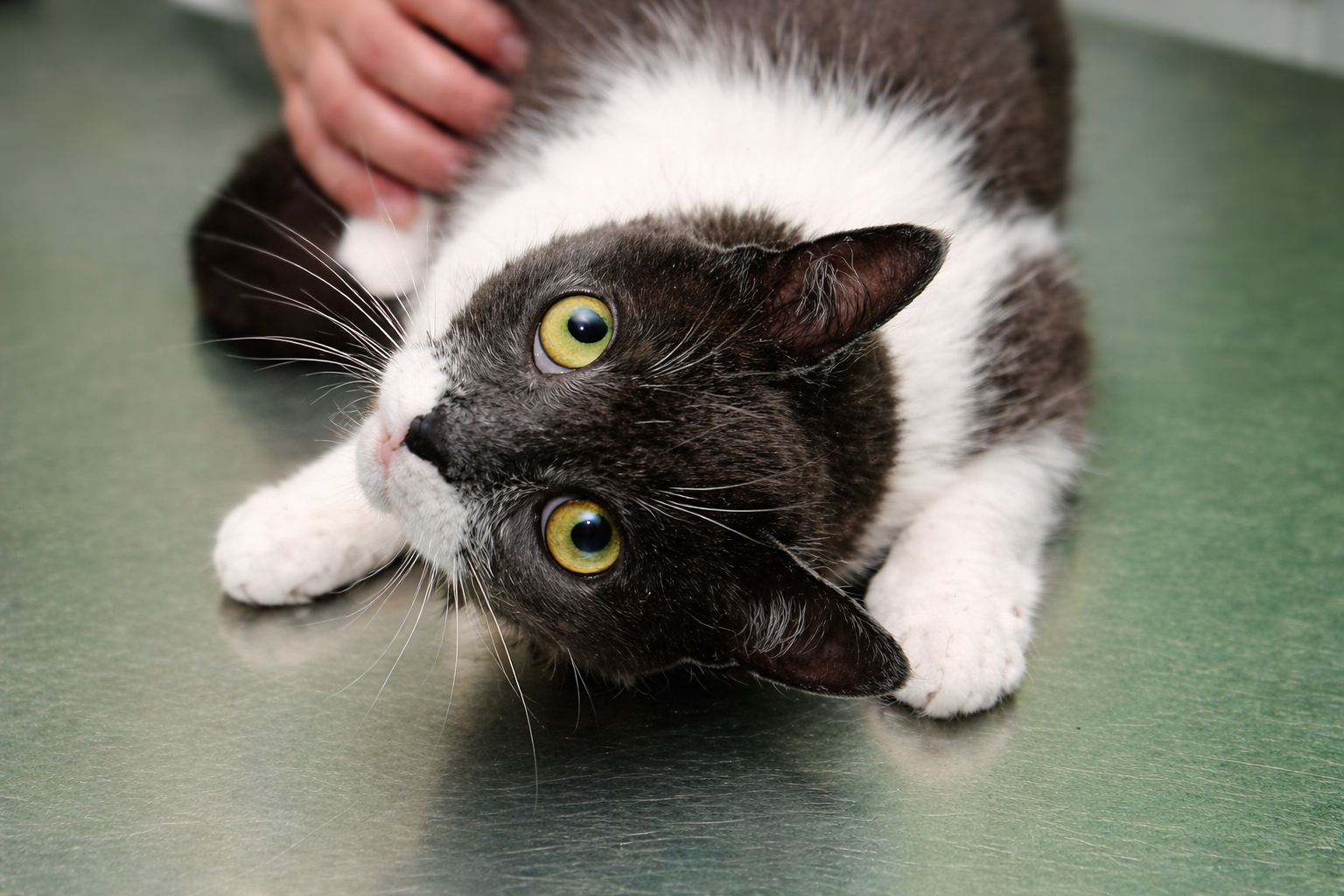
Diagnosis begins with a detailed physical and neurological examination. Veterinarians evaluate posture, eye movement patterns, walking ability, and reflex responses.
Using an otoscope, the ear canal is carefully inspected for infection, inflammation, mites, or abnormal growths. If deeper neurological involvement is suspected, advanced diagnostic tools may be recommended.
Imaging techniques such as MRI or CT scans provide detailed views of the brain and inner ear structures. Blood tests and urine analysis help assess overall health and detect infections or toxin exposure.
In some cases, cerebrospinal fluid analysis may be performed to confirm neurological diseases such as FIP or toxoplasmosis.
These investigations allow veterinarians to determine whether the condition originates from the ear (peripheral vestibular disease) or the brain (central vestibular disease).
Treatment Options for Nystagmus in Cats
Treatment depends entirely on the underlying cause. Ear infections are usually managed with antibiotics, antifungal medications, or anti-inflammatory therapy. Ear cleaning or flushing may be performed under sedation.
Ear mites require targeted parasite treatment, while growths or polyps may need surgical removal. If toxins are involved, supportive therapy such as intravenous fluids or activated charcoal may be used to help eliminate harmful substances.
Neurological infections often require a combination of medications and close monitoring. In cases involving tumors or structural brain disease, advanced treatments such as surgery, radiation therapy, or chemotherapy may be considered.
Supportive Care and Recovery
Supportive care plays a vital role in helping cats recover from vestibular disorders. Anti-nausea medication, appetite stimulants, and fluid therapy may be recommended. Creating a safe, quiet environment at home can reduce stress and prevent injury.
Cats with peripheral vestibular disease often show significant improvement within two to four weeks. Central neurological causes may take longer and sometimes result in permanent balance changes. With patience and proper veterinary guidance, many cats adapt well and regain good quality of life.
Can Nystagmus in Cats Be Prevented?
Not all cases are preventable, but certain steps can reduce risk. Routine veterinary checkups allow early detection of ear disease and neurological conditions. Regular ear cleaning and grooming help maintain ear health.
Pet owners should also create safe indoor environments by securing windows, using protective barriers on balconies, and avoiding exposure to toxic substances.
Maintaining up-to-date vaccinations and general wellness care supports overall neurological health.
Final Thoughts
Nystagmus in cats can be frightening to witness, but it is often the body’s way of signaling an underlying problem that can be treated. Early recognition of symptoms and timely veterinary consultation greatly improve the chances of recovery.
If you notice abnormal eye movements, head tilt, or balance issues in your cat, it is best to seek professional advice. You can use PetsGuide.ae to find trusted veterinary clinics, grooming services, and pet care providers across Dubai and the UAE.