
Causes, Symptoms, Treatment, and When to See a Vet
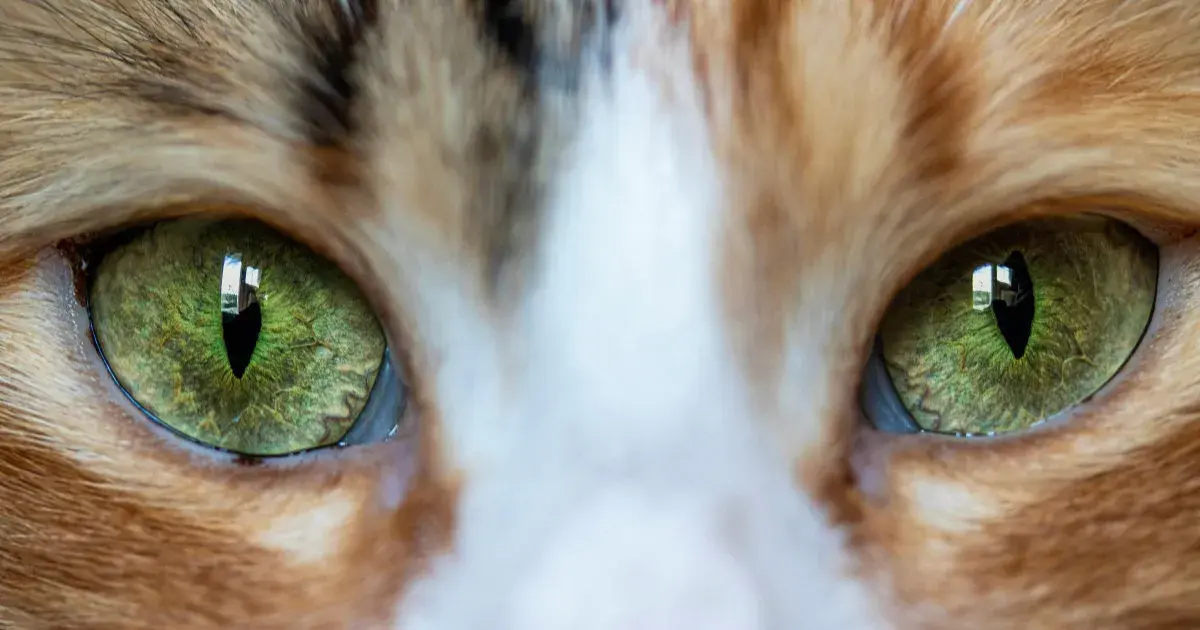
Watery eyes in cats, also known as epiphora, occur when there is excessive tear production or blockage of the tear drainage system. Common causes include eye infections, allergies, blocked tear ducts, foreign objects, injuries, and breed-related facial structure. While mild tearing may resolve on its own, persistent watery eyes, redness, discharge, or squinting should be examined by a veterinarian.
In Dubai and across the UAE, environmental factors such as dust, air conditioning, and allergens can also contribute to eye irritation in cats. Early diagnosis and appropriate treatment help prevent complications and support long-term eye health.
Cats are known for their expressive and beautiful eyes. These sensitive organs help them navigate their surroundings and communicate emotions. However, when a cat’s eyes start to look watery, shiny, or constantly moist, it can be a sign that something is not quite right.
Occasional tearing may not be a cause for concern. But persistent watery eyes — also known as epiphora — can indicate underlying health problems that require attention.
For cat owners in Dubai and across the UAE, understanding the possible causes, warning signs, and treatment options can help ensure early intervention and better outcomes.
This guide from PetsGuide.ae explains everything you need to know about watery eyes in cats.
What Are Watery Eyes in Cats?
Watery eyes occur when a cat produces excessive tears or when the normal tear drainage system becomes blocked. Tears are essential for keeping the eyes lubricated and free from debris. However, when tears overflow onto the face or accumulate around the eyes, this condition is referred to as epiphora.
Depending on the cause, watery eyes can range from a mild irritation to a sign of infection, injury, or anatomical abnormality.
In some cases, chronic tearing may also lead to tear staining — dark discoloration of the fur beneath the eyes.
Common Causes of Watery Eyes in Cats
Several conditions can lead to excessive tearing in cats. Identifying the underlying cause is important for effective treatment.
Blocked Tear Ducts
Tear ducts allow tears to drain from the eyes into the nasal passages. When these ducts become blocked due to inflammation, infection, or congenital narrowing, tears accumulate and spill over onto the face.
Blocked tear ducts may lead to chronic moisture around the eyes, skin irritation, and increased risk of infection.
Allergies and Environmental Irritants
Allergies are a common cause of watery eyes, particularly in indoor cats. Dust, sand particles, pollen, mold spores, and air pollution can irritate the delicate eye tissues.
In the UAE, air conditioning systems and dry desert conditions may contribute to increased exposure to airborne irritants. Household cleaning chemicals, perfumes, and incense can also trigger allergic reactions.
Maintaining good indoor air quality and using pet-safe cleaning products can help reduce eye irritation.
Eye Infections and Conjunctivitis
Infections are another frequent reason for watery eyes in cats. Conjunctivitis, or inflammation of the conjunctiva, is especially common and may be caused by bacteria, viruses, or secondary irritation.
Affected cats may show redness, swelling, squinting, and discharge that ranges from clear to yellow or green. Prompt treatment helps prevent complications such as corneal damage.
Foreign Objects and Eye Irritation
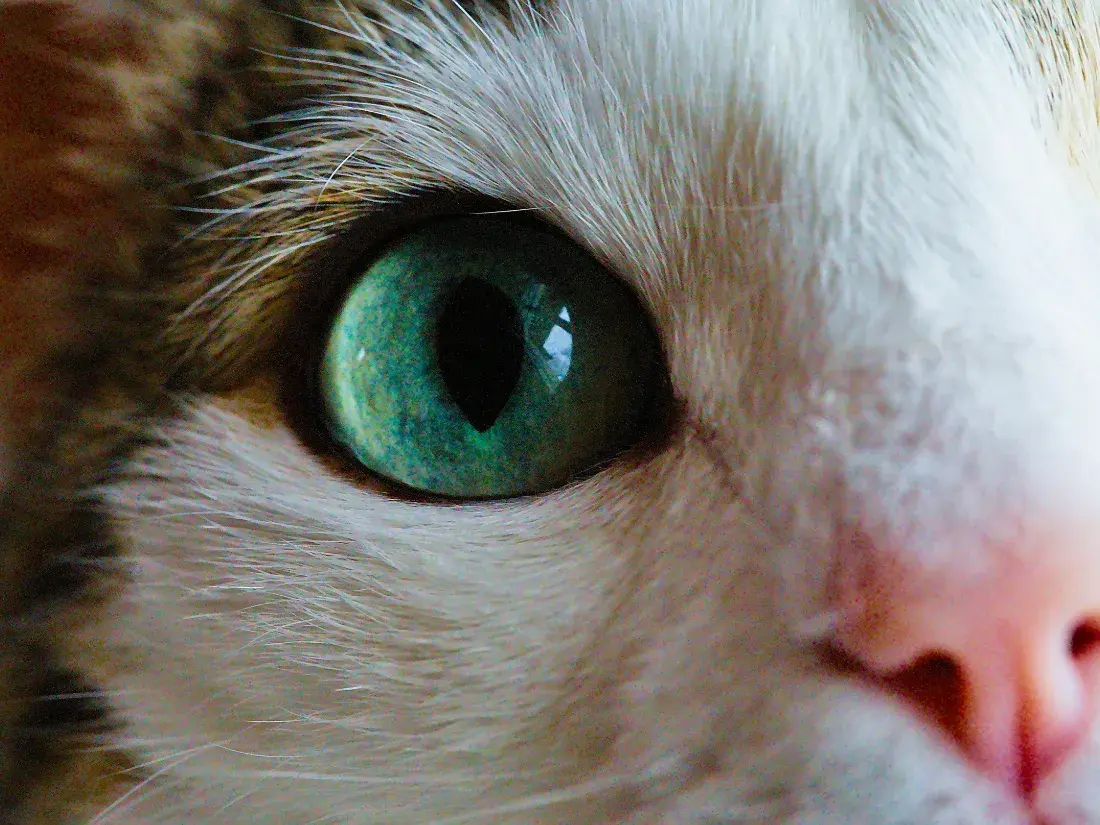
Curious cats may accidentally get small particles such as sand, dust, or plant material in their eyes. This triggers excessive tear production as the body attempts to flush out the irritant.
Foreign objects can also cause scratches on the cornea, leading to pain and persistent tearing. Veterinary examination is recommended if symptoms do not resolve quickly.
Genetics and Facial Structure
Certain breeds are naturally more prone to watery eyes. Brachycephalic cats such as Persians, Himalayans, and Exotic Shorthairs have flatter faces and shallower eye sockets.
This anatomical structure can interfere with normal tear drainage, making chronic tearing more common in these breeds.
Eye Injuries and Trauma
Eye injuries from fights, accidents, or rough surfaces can lead to excessive tearing. Corneal ulcers, eyelid abnormalities, or blunt trauma may cause inflammation and discomfort.
Because cats often hide pain, subtle signs such as increased blinking or avoidance of light should not be ignored.
Signs That Your Cat May Have Watery Eyes
Watery eyes are usually easy to recognize, but additional symptoms can help identify the severity of the problem.
Cats may have visibly moist eyes or tear stains running down their face. The surrounding skin may appear red or swollen. Frequent blinking, squinting, or pawing at the eyes often indicates irritation or discomfort.
In some cases, discharge may be present. Clear discharge may suggest mild irritation, while thick or coloured discharge can indicate infection.
If your cat seems lethargic, avoids bright light, or shows changes in appetite, a veterinary check is recommended.
How Veterinarians Diagnose Watery Eyes in Cats
Diagnosing the cause of watery eyes begins with a thorough eye examination. Veterinarians assess tear production, eyelid structure, and signs of infection or injury.
One common diagnostic procedure is the Schirmer tear test, which measures tear production using a small absorbent strip placed under the eyelid.
An eye staining test may also be performed. Special fluorescent dye helps highlight scratches or ulcers on the corneal surface.
To rule out glaucoma, vets may measure intraocular pressure using tonometry. If infection is suspected, cytology or bacterial culture can help identify the responsible organism.
In complex cases, imaging techniques such as CT scans or MRI may be used to evaluate tear duct blockage or structural abnormalities.
Treatment Options for Watery Eyes in Cats
Treatment depends on the underlying cause. Mild irritation may resolve with topical medications or supportive eye care.
If bacterial or viral infection is diagnosed, veterinarians may prescribe antibiotic or antiviral eye drops. Anti-inflammatory medication can help reduce swelling and discomfort.
Blocked tear ducts may be treated through flushing procedures that restore normal drainage. Surgical correction may be recommended in cases involving eyelid deformities or persistent obstruction.
Foreign objects must be carefully removed, and corneal injuries treated promptly to prevent long-term damage.
Early intervention greatly improves the chances of full recovery.
Supportive Care at Home
Pet owners play an important role in managing mild eye issues. Keeping the face clean using a soft, damp cloth helps remove tear residue and reduce skin irritation.
Ensuring a clean living environment, reducing exposure to dust, and providing balanced nutrition also support eye health.
If symptoms worsen or do not improve within a few days, professional veterinary advice should be sought.
Through PetsGuide.ae, cat owners can find trusted veterinary clinics, grooming services, and pet care providers across Dubai and the UAE.
Can Watery Eyes in Cats Be Prevented?
While not all cases are preventable, several practical steps can reduce risk.
Regular grooming and eye checks allow early detection of irritation or discharge. Routine veterinary visits help monitor overall eye health.
Keeping vaccinations up to date protects against infections that may affect the eyes. Preventing contact with sick animals and minimizing exposure to environmental irritants are also important preventive strategies.
Creating a safe indoor environment helps reduce the likelihood of eye injuries.
Final Thoughts
Watery eyes in cats may seem like a minor issue, but they can sometimes signal more serious health problems. By observing changes early and seeking veterinary guidance when needed, cat owners can help ensure their pets remain comfortable and healthy.
If you are concerned about your cat’s eye health, explore veterinary services and pet care resources on PetsGuide.ae.